
Visit Memphis Beyond Graceland
For many visitors, Graceland serves as the starting point for exploring Memphis rather than the entire experience itself. While Elvis Presley’s home remains one of the city’s most recognizable landmarks, Memphis is also shaped by historic neighborhoods, music districts, riverfront scenery, and cultural sites that reflect many different chapters of the city’s story.
Some visitors focus primarily on music history, while others are drawn toward historic homes, museums, architecture, or the atmosphere found throughout the city’s older neighborhoods and riverfront districts. Exploring beyond the mansion often reveals a broader understanding of Memphis itself — a city shaped by music, commerce, transportation, culture, and generations of people who helped define its identity over time.
🏛️ Historic Homes Beyond Graceland
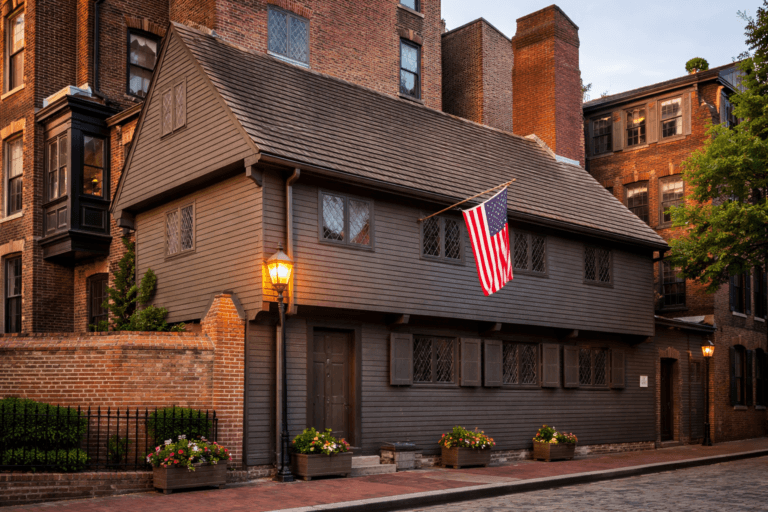
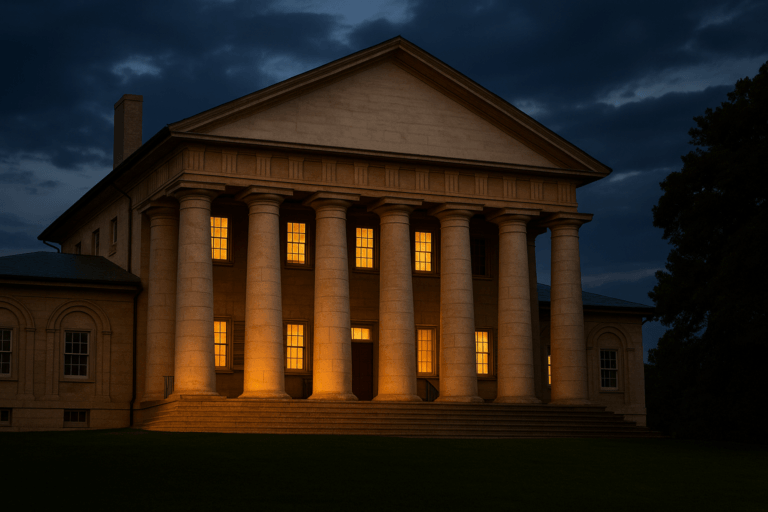
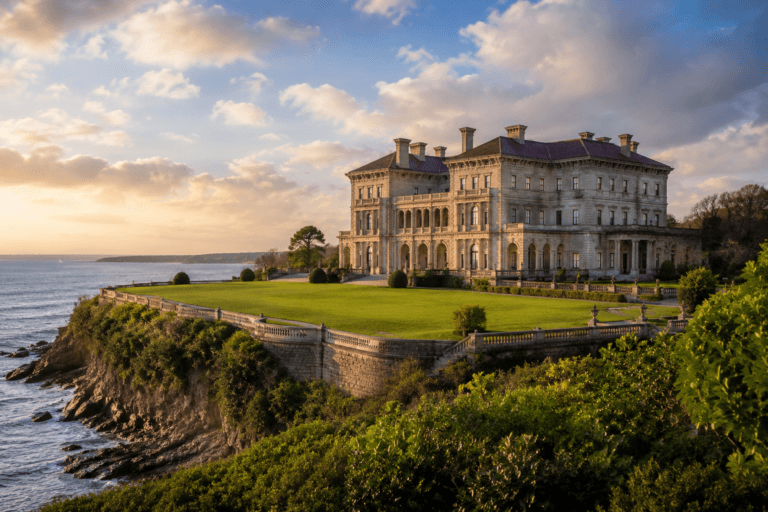
While Graceland may be Memphis’ most famous historic home, the city also preserves several lesser-known mansions and historic residences that reflect earlier chapters of Memphis history. Many of these homes are located within or near the Victorian Village district just north of downtown, offering visitors another side of the city beyond its music landmarks.
- Woodruff-Fontaine House Museum — An ornate Victorian mansion known for its elaborate interiors, stained glass, and preserved Gilded Age atmosphere.
- Mallory-Neely House — A preserved late nineteenth-century family home offering a quieter look at historic Memphis residential life.
- James Lee House — A restored Victorian-era mansion that now operates as a boutique historic inn.
- Magevney House — One of the oldest surviving homes in Memphis, dating back to the city’s early frontier years.
- Davies Manor Historic Site — A preserved log home and historic site reflecting early rural Tennessee settlement life.
Together, these homes reveal a very different side of Memphis history — one shaped not only by music and modern culture, but also by Victorian architecture, early settlement, and the families who helped shape the city long before Graceland became an international landmark.
🏘️ Exploring Historic & Cultural Memphis
Memphis is spread across several distinct historic and cultural areas rather than a single walkable district. Many visitors choose to focus on one or two areas at a time, combining destinations such as Graceland, downtown Memphis, Beale Street, the riverfront, or Victorian Village throughout their visit.
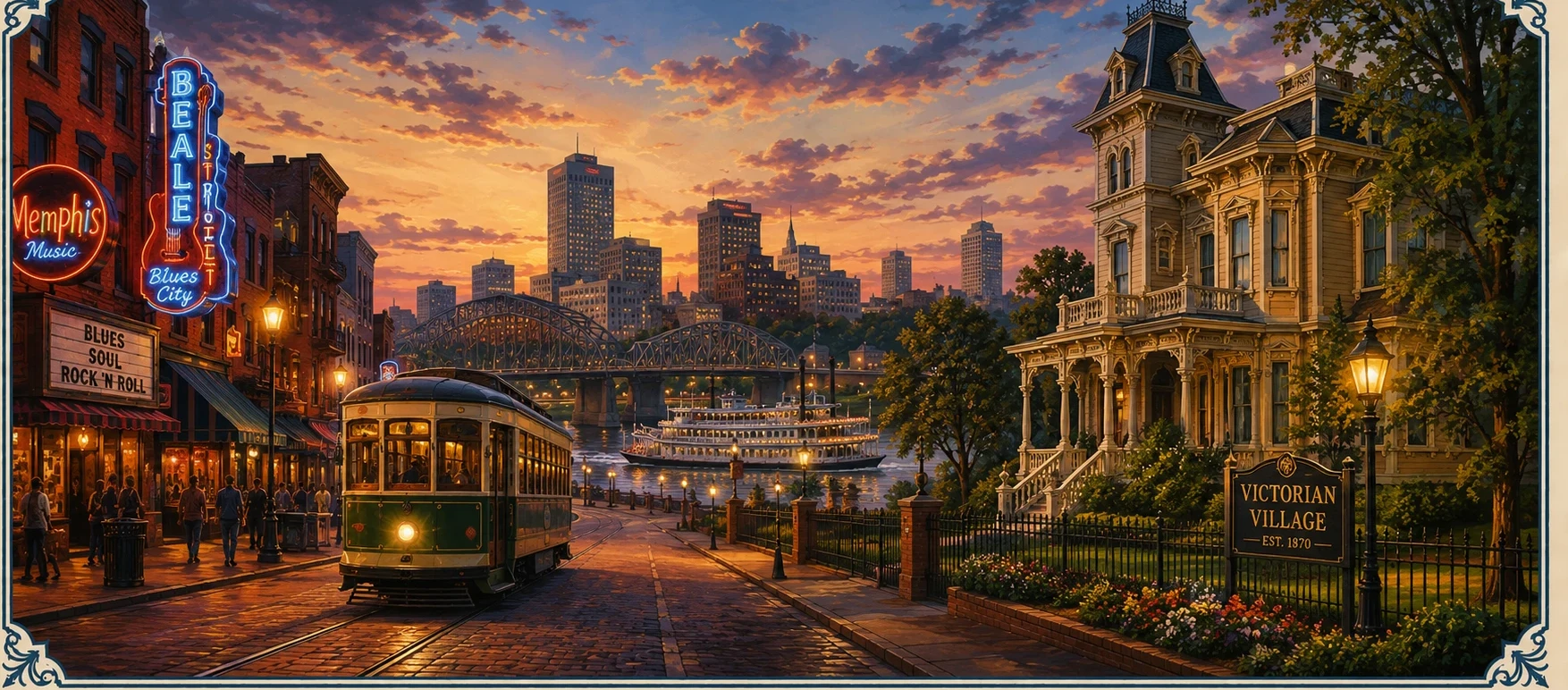
🎵 Beale Street & Memphis Music History
Few places are more closely tied to the identity of Memphis than Beale Street. Known for its deep roots in blues, soul, and early rock and roll, the district remains one of the city’s most recognizable cultural areas, filled with live music venues, historic clubs, restaurants, and museums connected to Memphis’ musical legacy.
Nearby attractions such as Sun Studio and Memphis Rock ‘n’ Soul Museum help place the city’s music history into a broader context that extends far beyond Elvis alone.
🏛️ Victorian Village & Historic Neighborhoods
North of downtown, the Victorian Village district preserves another side of Memphis history entirely. Once known as the city’s “Millionaire’s Row,” the neighborhood still contains several preserved mansions and historic homes dating back to the late nineteenth century.
Visitors interested in architecture, historic neighborhoods, and quieter cultural areas often find Victorian Village provides a very different atmosphere from the busier music and entertainment districts elsewhere in the city.
🏛️ Downtown Memphis & Civil Rights History
Downtown Memphis also contains several landmarks connected to the city’s broader cultural and historical significance. The National Civil Rights Museum stands as one of the most important historical sites in the region, preserving the former Lorraine Motel while exploring the wider story of the American Civil Rights Movement.
Surrounding streets and nearby districts continue to reflect the layered history of Memphis through preserved architecture, museums, public spaces, and longtime local businesses.
🌿 Mississippi Riverfront & Scenic Memphis
The Mississippi River has shaped Memphis from its earliest days as a transportation and trade center, and the riverfront still remains one of the city’s defining features today. Areas such as Tom Lee Park and Mud Island River Park provide scenic views, walking areas, and a slower pace away from the busier entertainment districts.
For visitors spending additional time in the city, the riverfront offers a chance to experience another side of Memphis beyond the museums, music venues, and major tourist attractions.
🚗 Suggested Ways to Explore the Area
Memphis can be explored in many different ways depending on how much time visitors have available and which parts of the city interest them most. Because the city is spread across several distinct historic and cultural areas rather than a single walkable district, many visitors choose to focus on one or two sections of the city at a time rather than trying to experience everything in a single day.
Some travelers prefer to explore independently at their own pace, driving between neighborhoods, museums, riverfront areas, and historic districts throughout the city. Others may choose guided sightseeing experiences such as music tours, walking tours, riverfront excursions, or organized bus tours that connect several landmarks together.
Whether the visit centers around Graceland, downtown Memphis, Victorian Village, Beale Street, or the Mississippi Riverfront, exploring beyond the city’s main attractions often provides a deeper understanding of the many different stories that helped shape Memphis over time.
Visitors interested in organized sightseeing experiences, walking tours, music tours, or additional guided excursions throughout the city can usually find updated tour information through platforms such as Viator and other local Memphis tourism resources.
✈️ Planning Your Trip

Planning time in Memphis often begins with deciding how much of the city you want to experience beyond the main attractions themselves. Some visitors focus primarily on Graceland and music history, while others build a broader trip around museums, historic neighborhoods, riverfront areas, architecture, or cultural landmarks throughout the city.
📅 Deciding When to Visit
Memphis can feel very different depending on the season, weather, and events taking place throughout the year. Spring and fall often provide the most comfortable temperatures for walking, sightseeing, and exploring the city’s historic neighborhoods and riverfront areas, while summer tends to bring larger crowds and a more energetic atmosphere throughout the entertainment districts and major attractions.
Some visitors intentionally plan their trips around music festivals, seasonal celebrations, concerts, or annual events connected to the city’s cultural identity. Others may prefer quieter periods that allow for a slower pace while exploring museums, historic homes, scenic riverfront areas, and neighborhoods beyond the busiest tourist seasons.
Events such as Elvis Week, riverfront festivals, holiday celebrations, concerts, and food events can significantly shape both the atmosphere of the city and overall crowd levels during certain times of year. Travelers interested in seasonal activities, upcoming festivals, or current event schedules can usually find updated information through Memphis Travel Events Calendar and other local tourism resources.
For many visitors, deciding when to visit Memphis becomes less about finding a “perfect” season and more about deciding which type of experience feels most appealing — energetic and event-filled, slower and more relaxed, or somewhere in between.
🕒 Deciding How Long to Stay
Some travelers visit Memphis as part of a shorter road trip through the South, while others choose to spend several days exploring the city’s music history, museums, neighborhoods, riverfront areas, and cultural landmarks at a slower pace. The amount of time visitors choose to spend in Memphis often depends on whether the trip is focused primarily on Graceland itself or designed as a broader exploration of the city’s historic and cultural identity.
Visitors planning a shorter stay may focus primarily on Graceland, Beale Street, and a few nearby attractions, while longer visits often allow time to explore places such as Victorian Village, the National Civil Rights Museum, scenic riverfront areas, local restaurants, guided tours, and some of the quieter historic districts beyond the city’s most heavily visited areas.
Because Memphis is spread across several distinct neighborhoods and cultural districts rather than a single centralized historic area, many visitors find that additional time creates a more relaxed experience and allows for greater flexibility between sightseeing, dining, entertainment, and slower exploration throughout the city.
For travelers interested in experiencing more than just the major landmarks, a slightly longer visit often provides a better opportunity to appreciate the atmosphere, history, and regional character that make Memphis feel very different from many other Southern destinations.
🛏️ Lodging Options

Visitors will find a wide range of accommodations throughout Memphis, including downtown hotels, family-friendly lodging near Graceland, boutique properties, historic inns, and riverfront stays depending on the type of atmosphere they prefer for their trip.
Travelers interested in comparing lodging styles, availability, or current rates throughout the Memphis area can usually find additional information through Booking.com and other travel resources.
🎟️ Tours, Tickets & Reservations
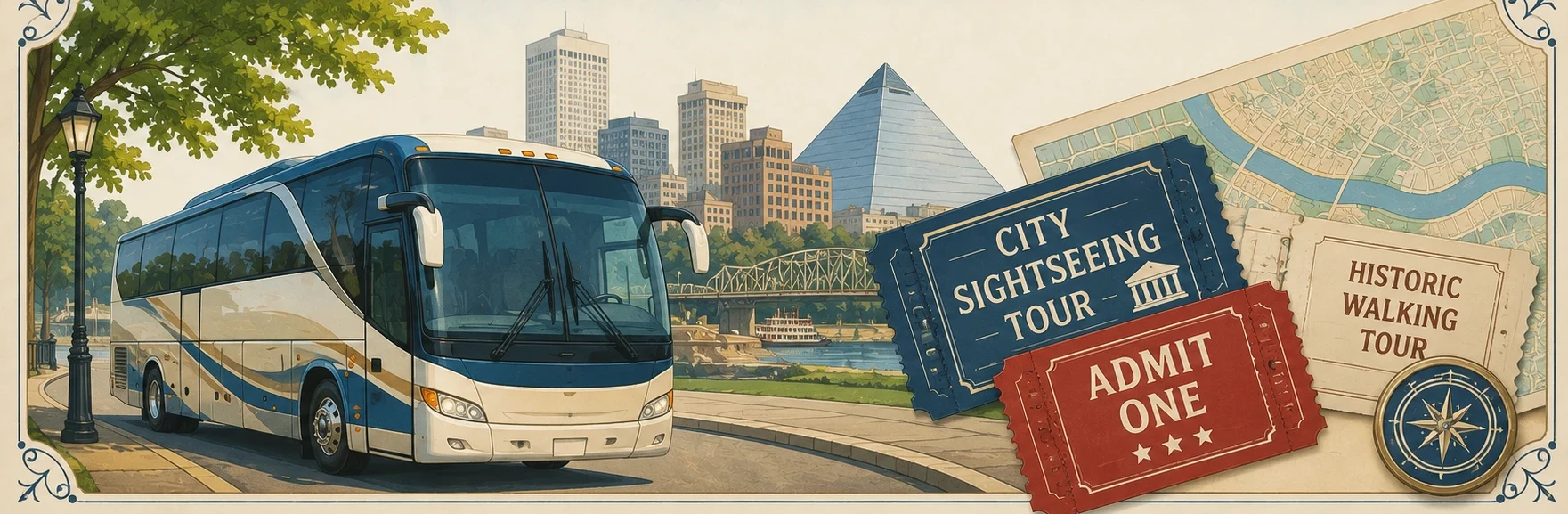
Some attractions and guided experiences may require advance reservations during busy travel periods, especially around major events, weekends, and holiday seasons. Travelers interested in organized sightseeing experiences, walking tours, music tours, or additional guided excursions throughout the city can usually find updated information through Viator and other local tourism resources.
🍽️ Dining & Local Flavor
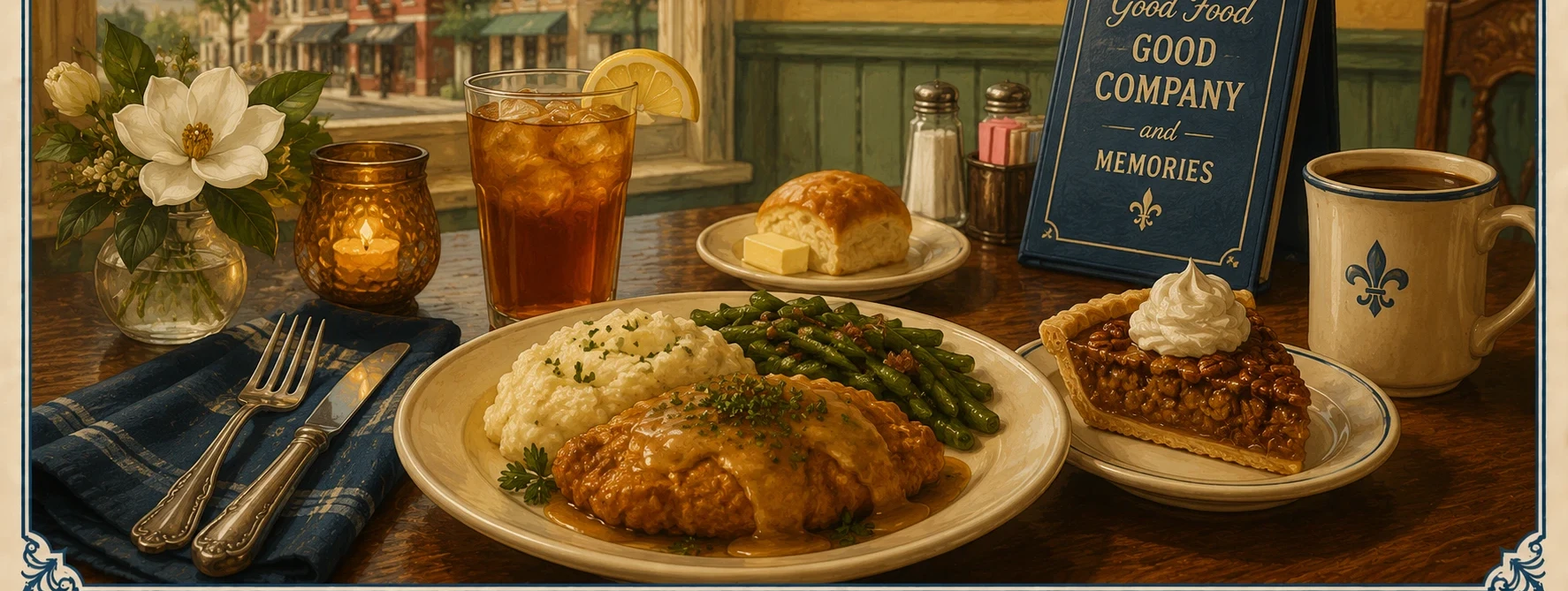
Memphis is known for a wide range of dining experiences that extend far beyond barbecue alone, including casual family restaurants, blues clubs, Southern comfort food, upscale downtown dining, and longtime local favorites spread throughout the city’s historic and entertainment districts.
Visitors interested in exploring local dining options, restaurant reviews, or reservations throughout the Memphis area can usually find additional information through OpenTable, Tripadvisor Restaurants, and other local dining resources.
As You Continue Exploring
One of the things I’ve come to appreciate about visiting historic places is that the experience rarely ends at the front gate or museum entrance. Some of the most meaningful parts of a trip often come from the surrounding neighborhoods, smaller museums, overlooked historic homes, and quieter places that many travelers simply pass by on the way to the main attraction.
My hope is that guides like this help travelers slow down a little, explore more deeply, and discover places that add context and personality to the larger destination itself. Sometimes a single additional stop, scenic walk, or historic district can completely change the way a place is remembered long after the trip is over.
Whether you choose to spend an extra afternoon exploring Memphis or simply add one or two nearby destinations to your visit, I hope this guide helps make the experience feel a little richer, more personal, and more connected to the history surrounding it.
Companion Articles
- ➜ Graceland: A Home, A Legend, And A Lasting Legacy
- ➜ Visit & Tour Guide: Graceland
- ➜ Secrets & Stories: Graceland
- ➜ Additional Historic Destinations in Tennessee (Coming Soon)