More than a mansion, Graceland preserves the personal world Elvis Presley created around himself during the height of his fame.
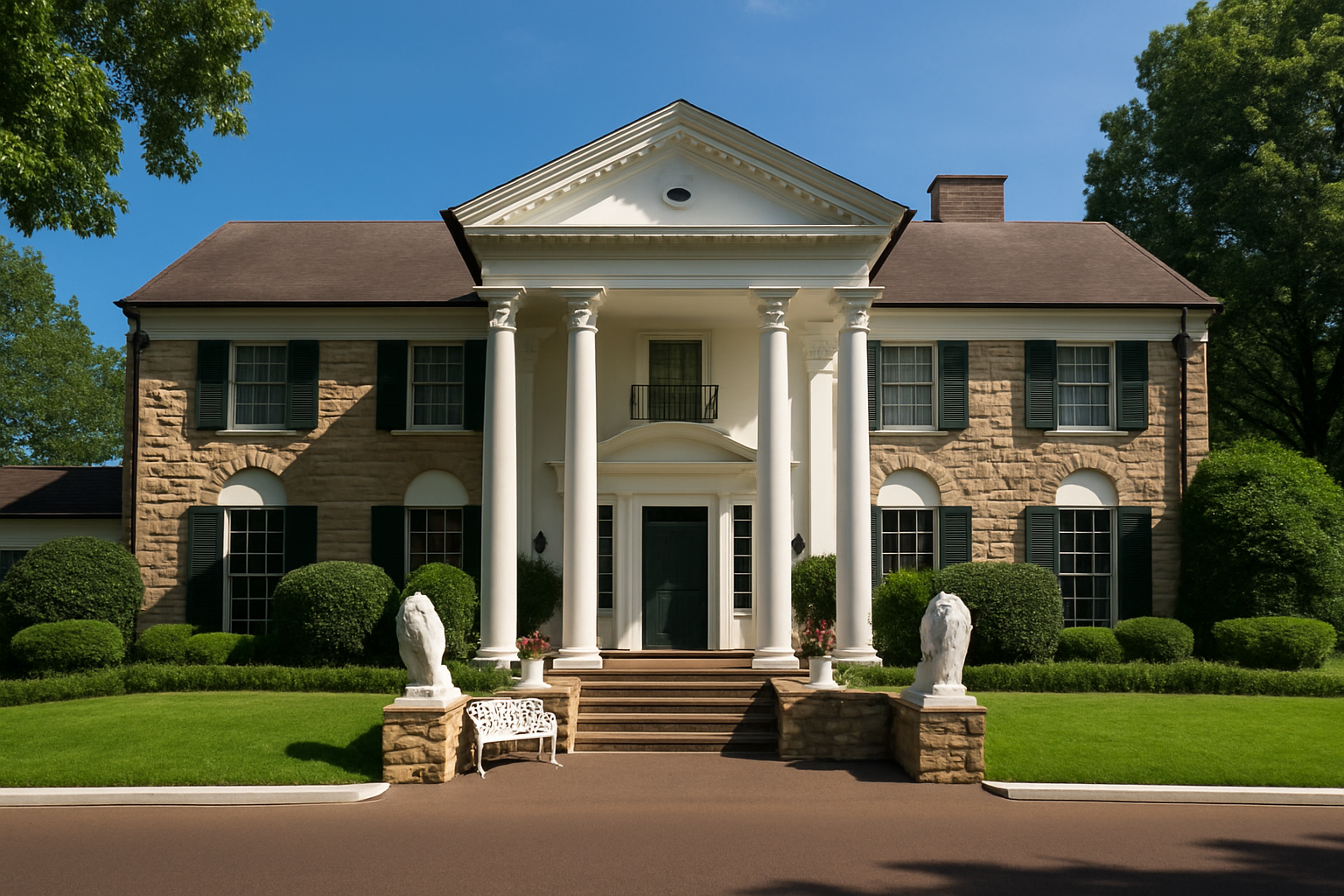
Standing behind its famous white columns and iron gates, Graceland feels very different from many of America’s grand historic estates. By modern standards, the home itself is not enormous. Yet when Elvis Presley purchased the property in 1957, Graceland represented extraordinary success, comfort, privacy, and celebrity — a dramatic contrast to the modest Tupelo childhood he left behind.
Unlike the massive Gilded Age mansions designed to overwhelm guests with scale and social prestige, Graceland feels personal. Its lasting appeal comes less from towering marble halls or endless formal rooms and more from the personality, taste, and emotional presence of the man who called it home. For many visitors, Graceland is not simply a mansion tour. It is an opportunity to step briefly into the world Elvis Presley created around himself — a world shaped by music, fame, family, success, and cultural influence that continues to resonate decades after his death. Today, visitors still arrive from around the world hoping to experience something larger than architecture alone. What they often discover instead is something surprisingly human.
📜 The History of Graceland
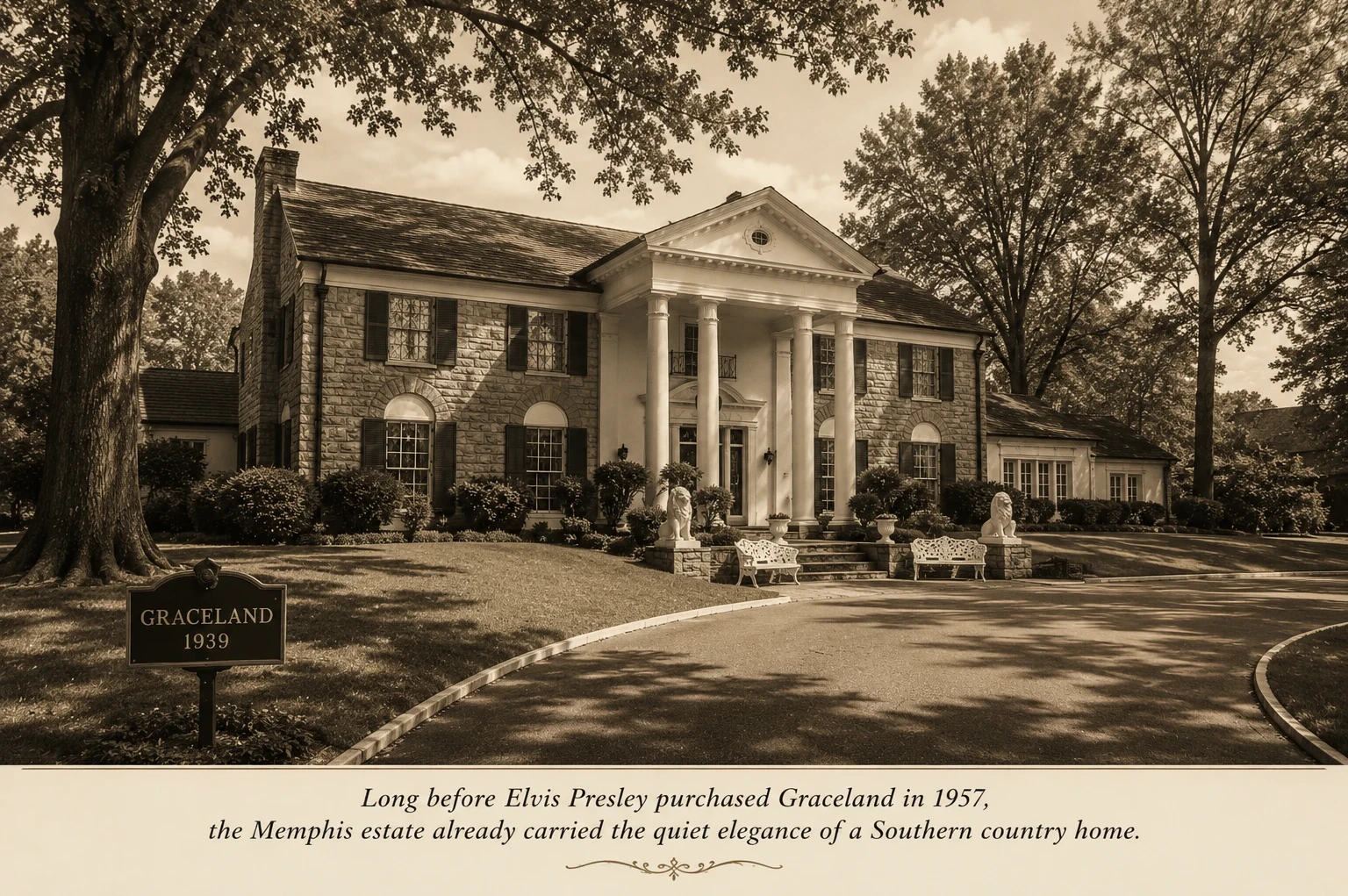
Long before it became one of America’s most recognizable homes, Graceland began as a quiet Memphis property built in 1939 by Dr. Thomas Moore and his wife, Ruth. The estate took its name from Grace Toof, a member of Ruth Moore’s family, whose original farmland once occupied the surrounding area. When Elvis Presley purchased Graceland at just twenty-two years old, the property symbolized far more than celebrity wealth. For Elvis, the home represented security, permanence, and success after years of financial struggle during his childhood in Tupelo, Mississippi. At the time, Graceland’s gated entrance, spacious grounds, and stately appearance projected a level of achievement few young entertainers had ever reached so quickly. Yet despite its fame today, the property was never intended to function as a formal estate designed for public admiration. It was a family home — a place where Elvis could retreat from constant public attention while surrounding himself with the people and comforts he valued most.
Over time, Graceland evolved alongside Elvis’s career and personal life. Rooms changed, additions were made, and the property gradually became intertwined with the public image of Elvis Presley himself. Yet even as his fame expanded worldwide, Graceland remained emotionally connected to ideas of home, family, and privacy.
🚗 Graceland’s Surprisingly Ordinary Setting
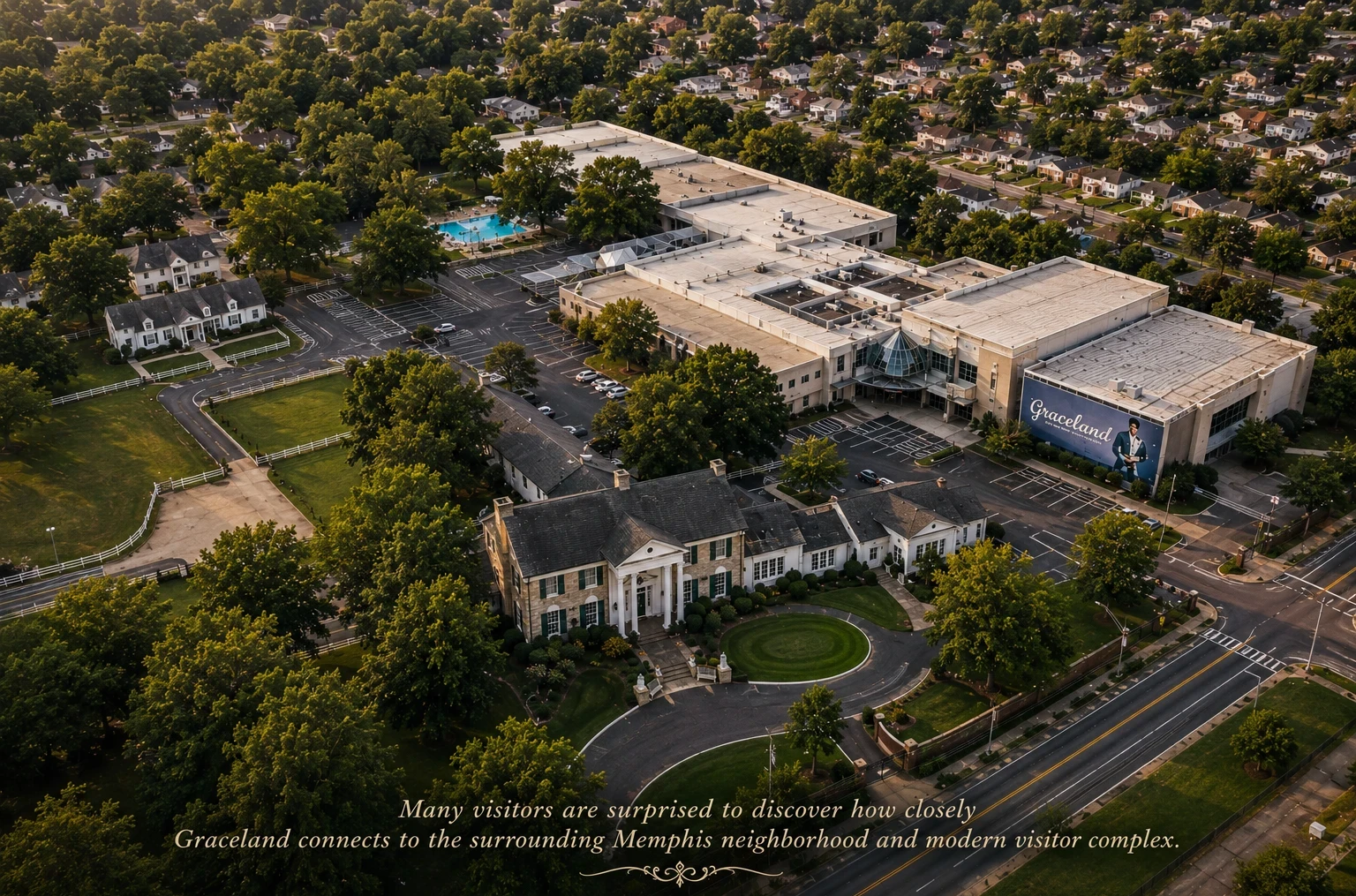
One of the first surprises for many visitors is Graceland’s setting itself. Given Elvis Presley’s enormous fame, some travelers expect the mansion to sit isolated behind miles of private land or hidden deep within an exclusive estate district. Instead, Graceland stands directly along a busy Memphis roadway, surrounded by an otherwise ordinary neighborhood with privately owned homes and local businesses nearby. That contrast can feel unexpected at first.
Rather than existing completely removed from everyday life, Graceland feels strangely grounded in the city around it. The surrounding neighborhood does not diminish the property’s significance. If anything, it makes the experience feel more personal and more connected to the real life Elvis lived beyond the stage lights and celebrity image.
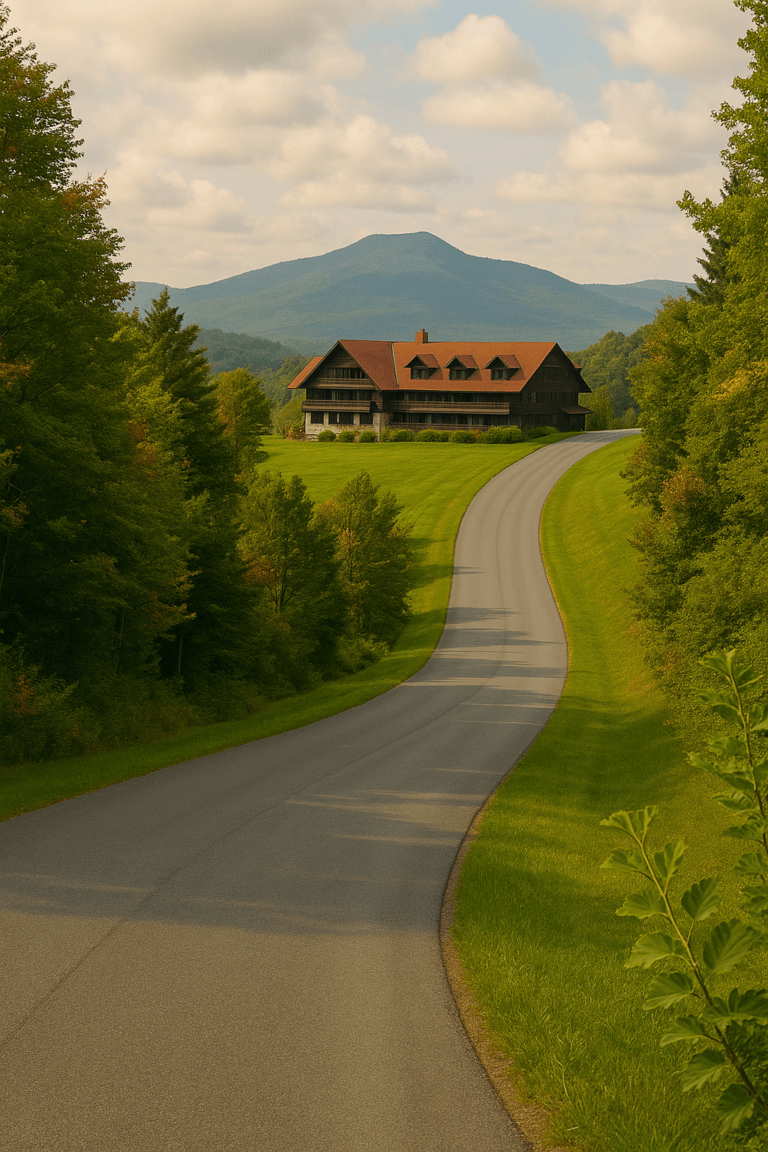
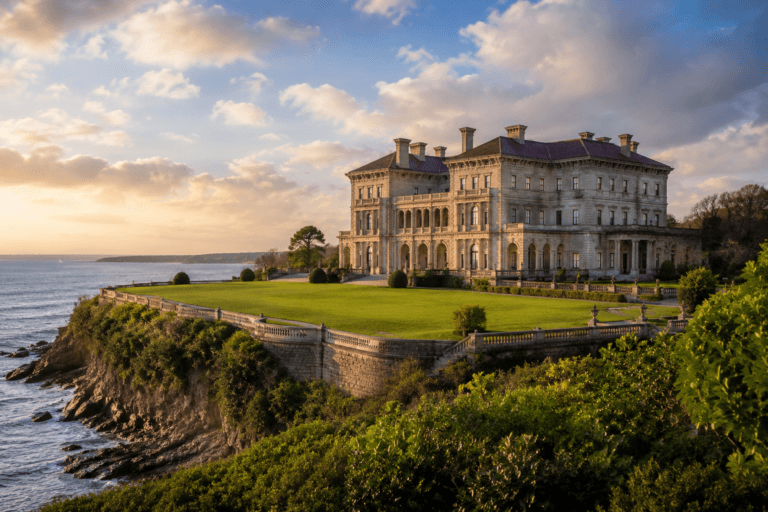
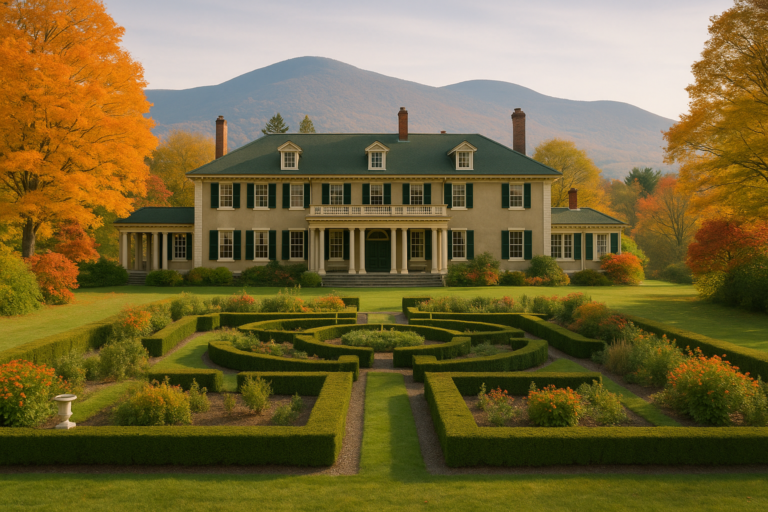
Unlike the grand coastal estates of Newport or the sprawling mountain retreats of America’s industrial elite, Graceland was never designed to dominate an entire landscape. Its power comes from familiarity rather than distance. Visitors are not standing before an untouchable palace. They are standing before a home that still feels connected to the rhythms of ordinary life surrounding it. That balance between global fame and surprisingly normal surroundings is part of what makes Graceland so memorable.
🏠 Inside Elvis’s World
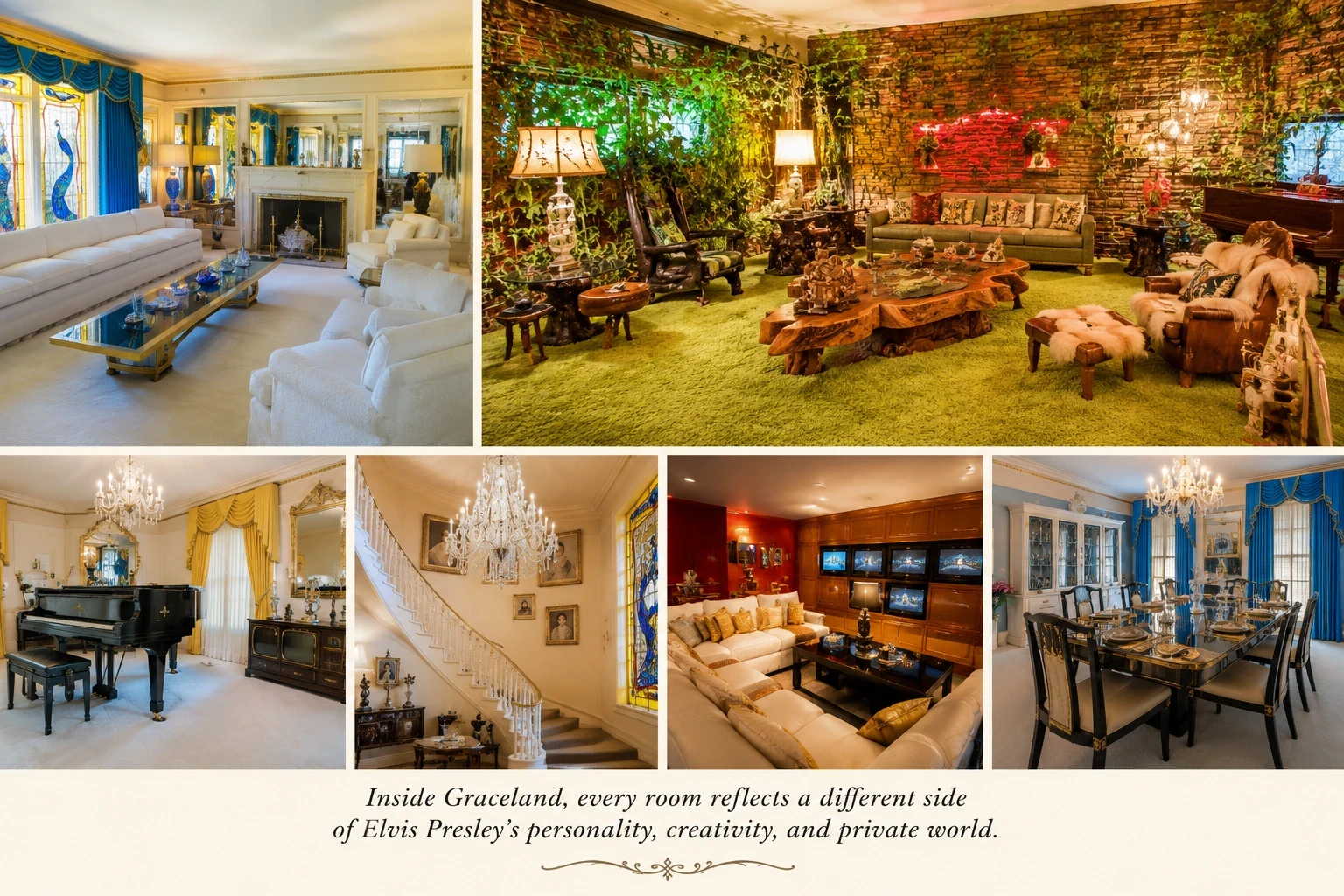
Walking through Graceland today reveals far more than carefully preserved rooms. The house itself feels like a reflection of Elvis Presley’s personality, interests, comfort, and evolving tastes during different periods of his life. Unlike many historic homes that emphasize formal architecture and decorative restraint, Graceland embraces individuality. Visitors quickly move from traditional Southern design elements into rooms filled with bold colors, dramatic textures, personal collections, and unmistakable 1970s style.
The famous Jungle Room remains one of the home’s most recognizable spaces. With its carved wood furniture, indoor waterfall, green carpeting, and Polynesian-inspired décor, the room reflects Elvis’s willingness to create spaces that felt entertaining, unconventional, and entirely personal. The design may not follow traditional architectural elegance, but that is precisely what makes it memorable.
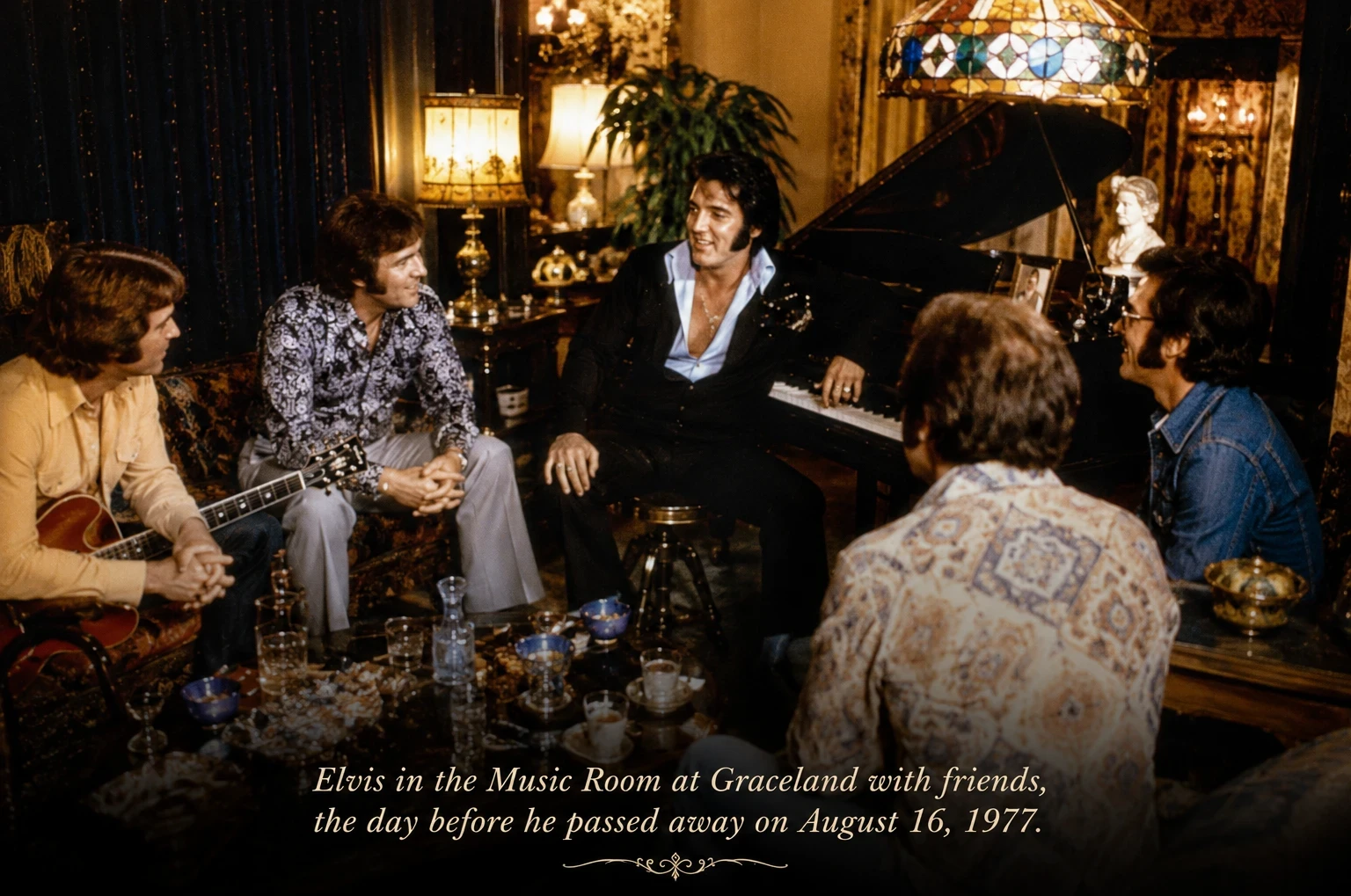
Elsewhere, quieter family spaces reveal another side of Graceland. Living rooms, music areas, and private family rooms create the sense that this was genuinely a lived-in home rather than a carefully staged celebrity residence. Visitors often leave surprised by how intimate parts of the mansion feel compared to the enormous public mythology surrounding Elvis himself. Throughout the house, Graceland balances luxury with comfort. The rooms rarely feel designed simply to impress strangers. Instead, they feel designed for enjoyment, entertainment, relaxation, and personal expression.
That emotional authenticity may be one of the property’s most enduring strengths.
👤 The Life Elvis Created at Graceland
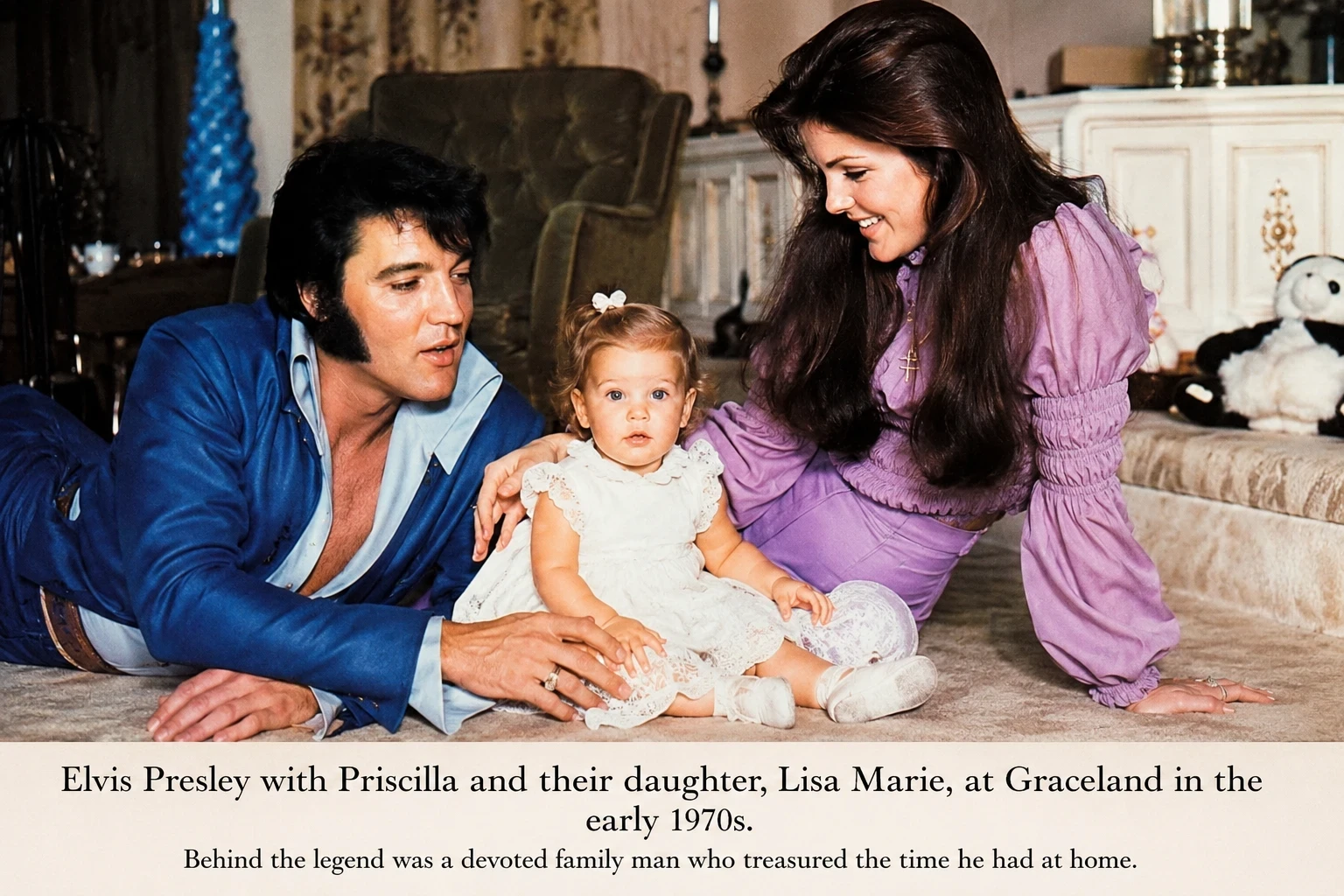
For Elvis Presley, Graceland functioned as far more than a public symbol of success. It became the center of his personal world. Family gatherings, close friendships, late-night music sessions, holiday celebrations, and private moments all unfolded behind the mansion’s gates. Friends, musicians, and members of Elvis’s inner circle often spent extended time at the property, creating an atmosphere that blended celebrity culture with an almost surprisingly informal sense of community.
At the same time, Graceland also reflected the growing pressures surrounding Elvis’s fame. As his popularity expanded worldwide, maintaining privacy became increasingly difficult. The home offered protection from constant public attention while also becoming one of the most recognizable celebrity residences in America. That tension between fame and personal retreat still lingers over the property today. Visitors touring Graceland often sense that the mansion preserves not only Elvis’s success, but also the complicated balance between public image and private life. The home contains traces of extraordinary celebrity, yet it also preserves moments of ordinary routines, personal comforts, and family life that make the property feel unexpectedly human.
🎵 Graceland and the Elvis Legacy
Decades after Elvis Presley’s death, Graceland remains one of the most visited private homes in the United States. Visitors continue arriving from across the world not simply because Elvis was famous, but because his influence became deeply woven into American music, entertainment, and culture. For many fans, Graceland feels almost like a cultural pilgrimage. The mansion preserves memories connected not only to Elvis himself, but also to entire generations shaped by his music and public image. Unlike many historic properties tied to distant historical periods, Graceland still feels emotionally immediate for countless visitors. Songs, performances, interviews, films, and photographs continue keeping Elvis Presley culturally present in ways few historic figures experience long after their deaths.
That continued connection gives Graceland a unique atmosphere. The property functions simultaneously as:
- historic home
- memorial
- music landmark
- personal reflection of celebrity life
Very few American homes carry that combination of history, emotion, and cultural meaning.
🌿 The Meditation Garden and Final Resting Place
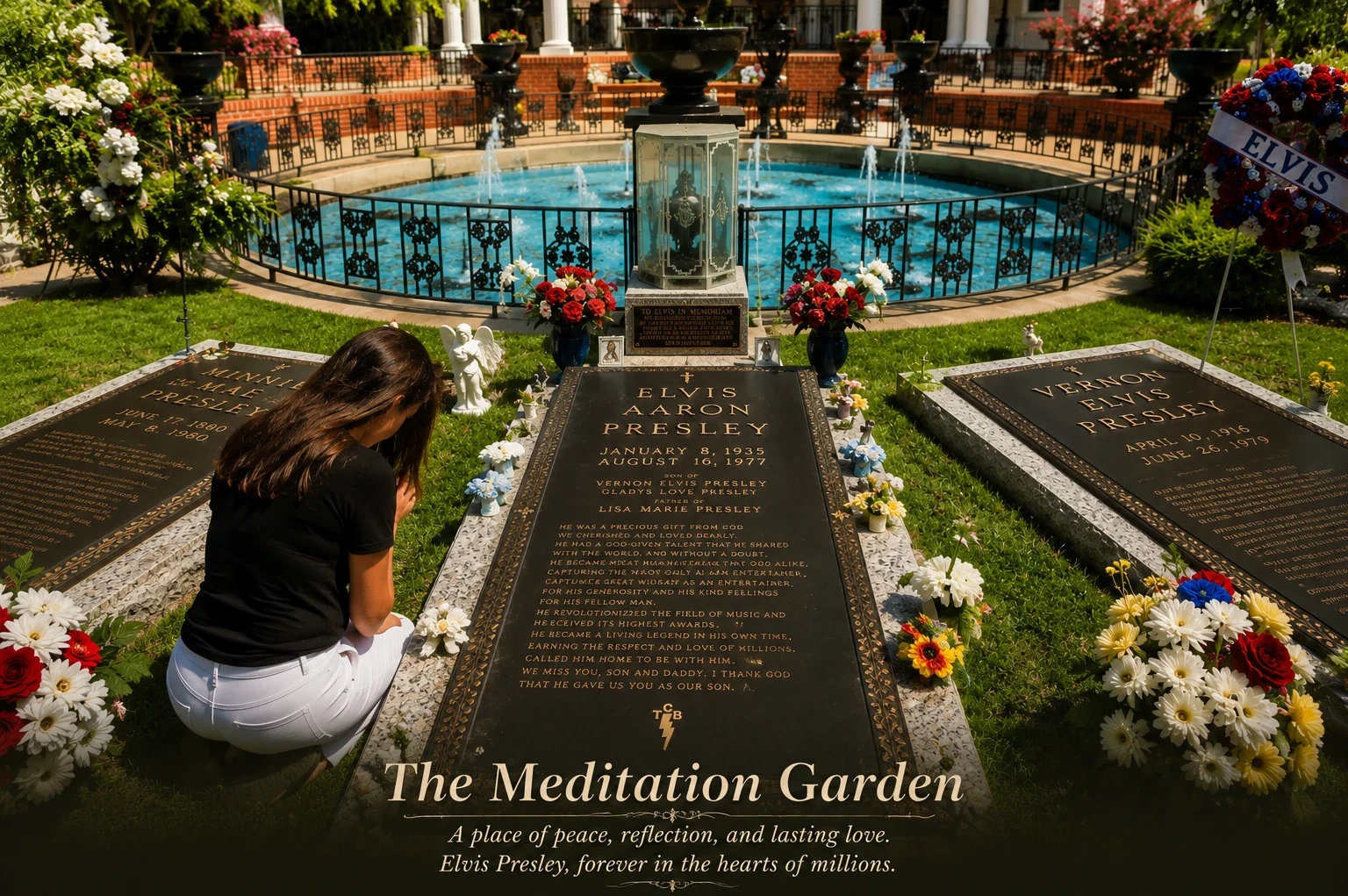
Few areas of Graceland affect visitors more deeply than the Meditation Garden. Originally designed as a quiet retreat space on the property, the Meditation Garden eventually became Elvis Presley’s final resting place alongside members of his family. The atmosphere here feels noticeably different from the energy surrounding the rest of the mansion. Conversations soften. Visitors slow down. For many people, the garden transforms the experience from celebrity tourism into something more reflective and personal. Fans who grew up listening to Elvis’s music often arrive carrying decades of emotional connection, memory, and nostalgia with them.
The quiet simplicity of the space contrasts sharply with the enormous fame surrounding Elvis Presley throughout his life. In many ways, the Meditation Garden serves as a reminder that beneath the worldwide celebrity image was still a son, father, friend, and individual whose personal life unfolded within the walls of Graceland itself.
📌 Why Graceland Still Matters
Some historic homes impress visitors through sheer architectural scale or artistic grandeur.
Graceland works differently.
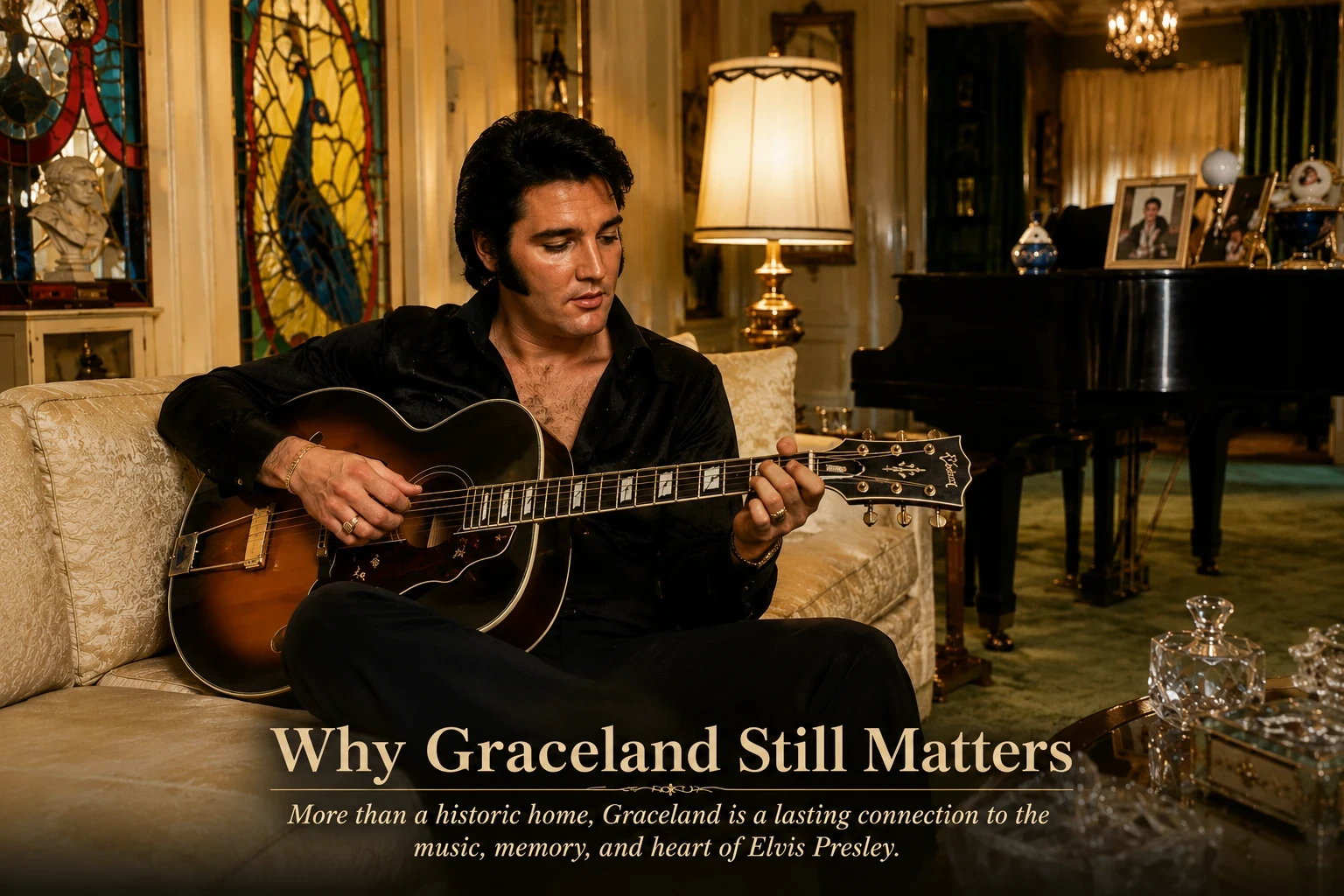
Its lasting power comes from emotional familiarity and cultural memory. Visitors are drawn not only to the mansion itself, but to what the home represents — success, creativity, fame, family, privacy, loneliness, ambition, and the complicated realities of celebrity life.
Unlike the great Gilded Age estates built to project industrial wealth and social dominance, Graceland feels deeply personal. The property preserves a world shaped around one individual whose influence extended far beyond music alone.
That personal atmosphere may be the reason so many visitors leave Graceland feeling emotionally connected to the experience even if they arrived expecting little more than a celebrity mansion tour.
The home still feels inhabited by memory.
🧭 Looking Back (and Forward)
Visitors often arrive at Graceland expecting spectacle. And in some ways, they find it — famous rooms, iconic gates, music history, and one of America’s most recognizable celebrity homes. But what many people remember afterward is something quieter.
The house itself still feels personal. Beyond the photographs, awards, and worldwide fame, Graceland preserves the sense that this was once a real home filled with routines, relationships, laughter, pressure, comfort, and complicated human experiences. That emotional authenticity gives the property a very different atmosphere from many traditional historic estates. Some historic homes overwhelm visitors with grandeur. Others remain memorable because they continue to feel deeply human.
Graceland belongs firmly in the second category.
🔗 Continue Exploring This Destination
Companion Content
- ➜ Vitit andTour Guide
- ➜Secrets andStories
- ➜ Explore the Area