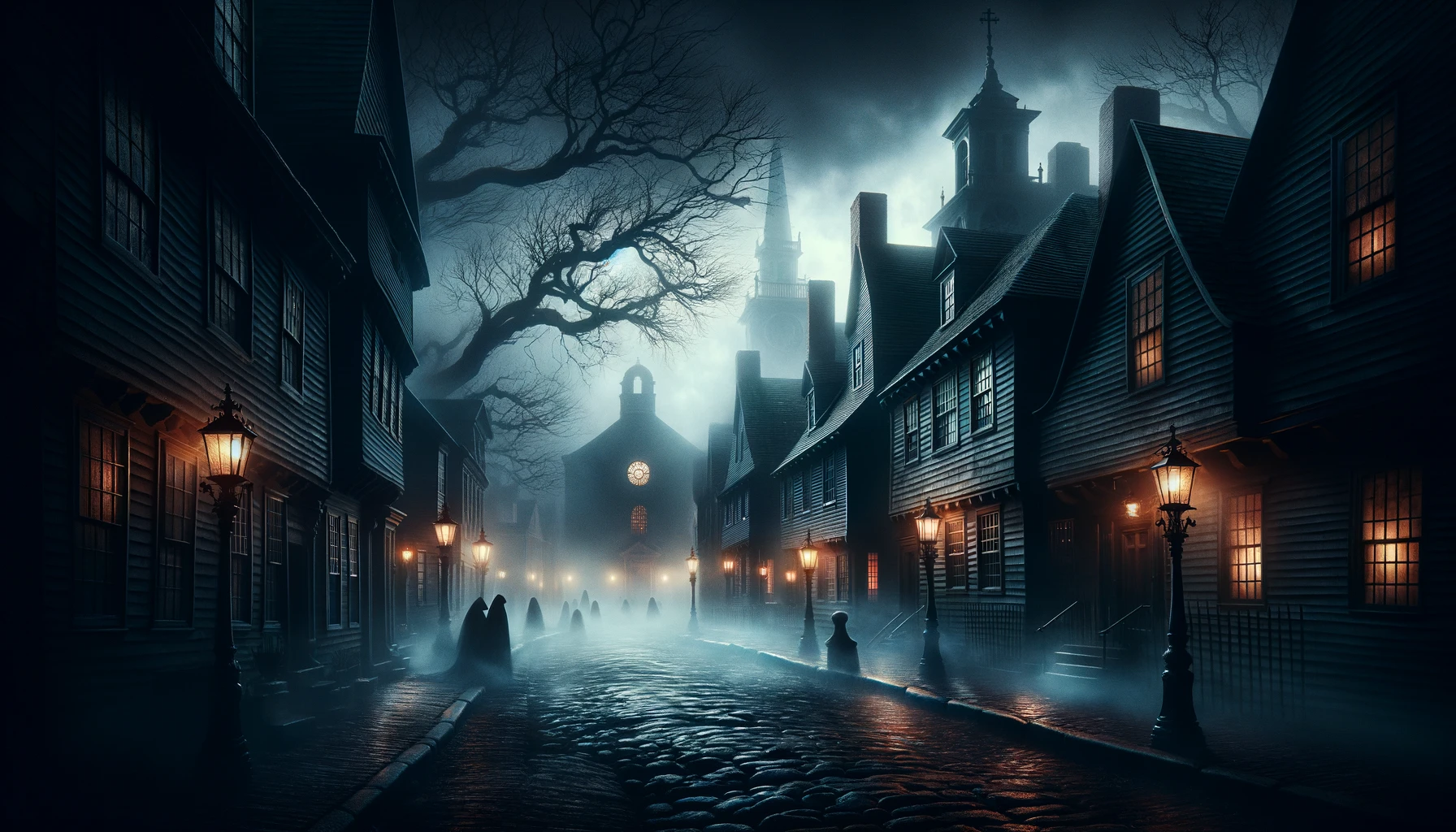
Secrets And Stories From House Of The Seven Gables
Hidden details, forgotten figures, and the quieter moments history left behind
Behind the Public Story
Every historic house has an official narrative — dates, names, architectural features carefully preserved and explained. The House of the Seven Gables is no exception. It is widely known for its connection to Nathaniel Hawthorne and for the distinctive silhouette that inspired one of America’s most famous novels.
But beyond the literary associations and public tours lies another layer of history — one shaped by daily routines, shifting fortunes, and lives that unfolded far from the spotlight. These are not dramatic revelations or hidden scandals. They are quieter stories, often overlooked, that reveal how the house was actually lived in and how it survived long enough to be remembered at all.
This is where we step gently beyond the polished version — not to rewrite history, but to listen more closely to it.
🗝️ The Stories That Rarely Get Told
The stories that follow are not about fame or authorship. They center instead on:
- People who lived and worked in the house without recognition
- Spaces designed for function rather than display
- Long stretches of time when the house was simply… there
- Subtle contradictions between myth and lived reality
Together, they remind us that historic places are shaped as much by ordinary persistence as by celebrated moments.
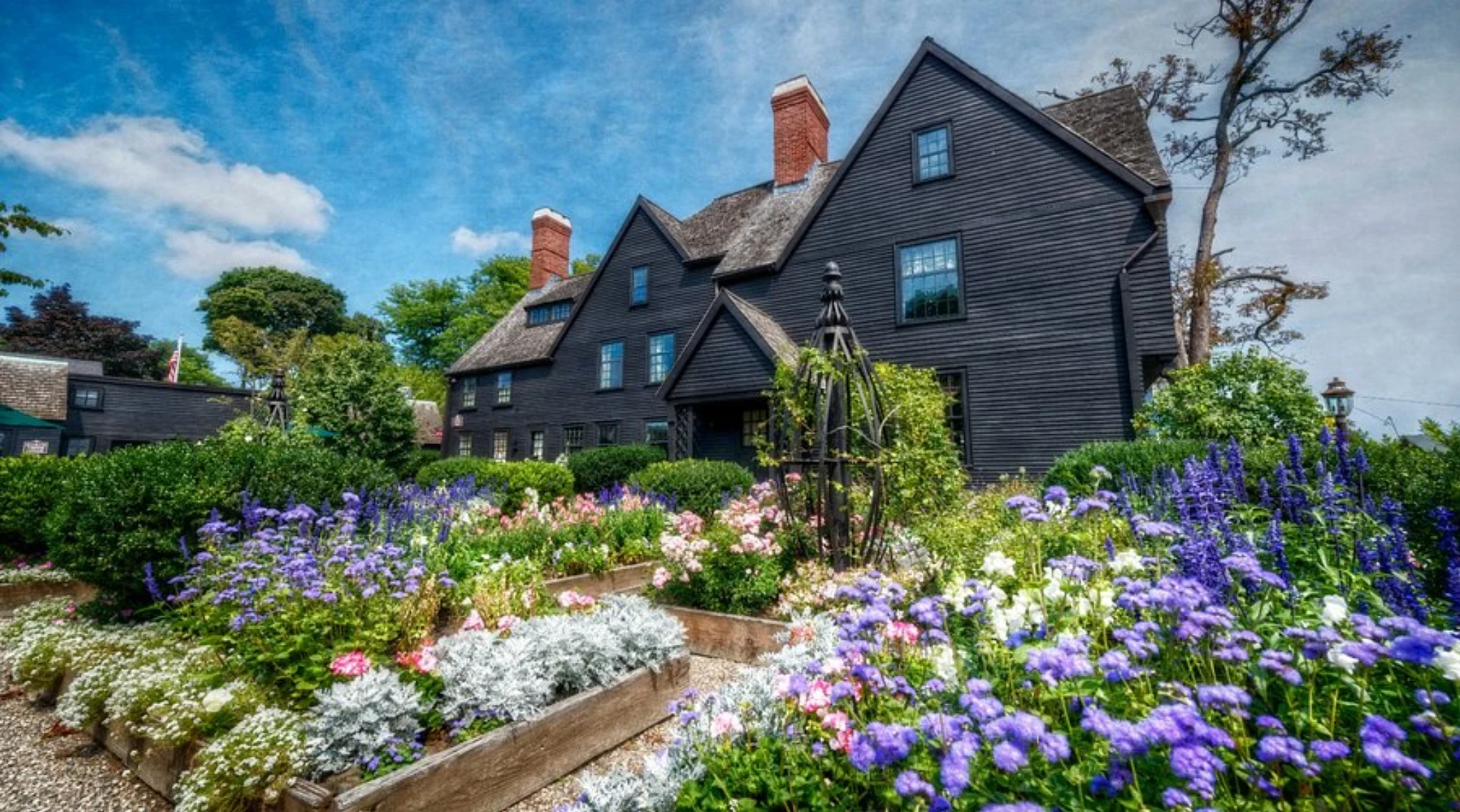 Behind its familiar façade, the House of the Seven Gables holds layers of history shaped by everyday lives, quiet labor, and stories that rarely make the guidebooks.
👤 Forgotten or Overlooked Figures
Long before the house became a destination, it was a working home — one that depended on the labor of family members, servants, and caretakers whose names rarely appear in guidebooks.
Domestic staff managed cooking, cleaning, heating, and repairs in a structure that was large, drafty, and demanding even by 18th-century standards. Their days followed the rhythms of necessity rather than romance: hauling water, tending fires, preserving food, and keeping the household functional through harsh New England seasons.
These individuals left little written record, yet their presence shaped the house as surely as its owners did. Without their labor, the grand rooms and iconic gables would never have remained habitable — let alone intact.
Their stories matter because they reflect how history is often sustained: quietly, consistently, and without acknowledgment.
🏠 Rooms, Spaces, and Their Untold Roles
Not every room in the House of the Seven Gables was meant to impress.
Secondary staircases, narrow passages, and utilitarian spaces reveal a parallel version of the house — one focused on efficiency rather than elegance. These areas allowed work to happen out of sight, maintaining a sense of order in the more formal rooms.
Over time, some spaces were altered, closed off, or reinterpreted as the house’s purpose changed. What was once practical became historic; what was once invisible became an object of curiosity.
These shifts remind us that preservation is not static. The house we see today is the result of many decisions about what to save, what to restore, and what to let fade.
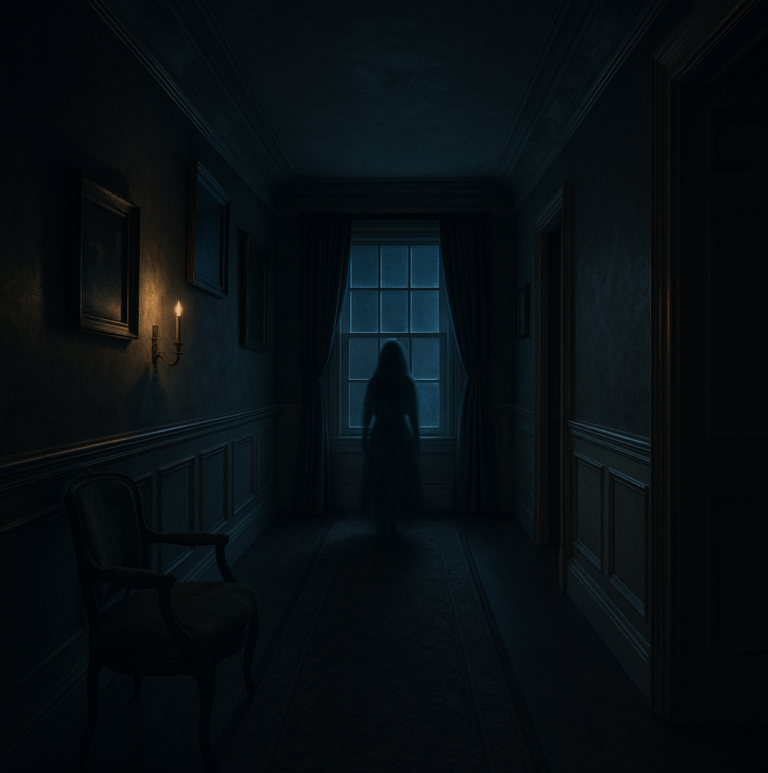
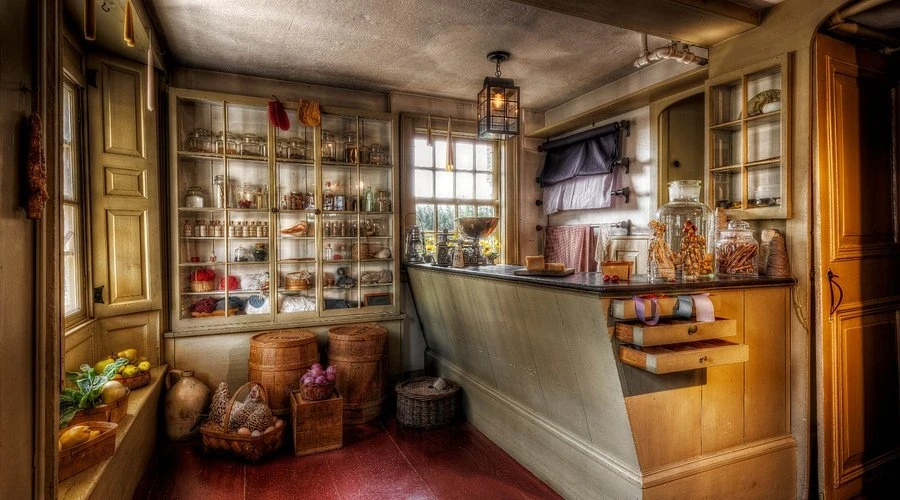 Light and shadow reveal how historic spaces were shaped as much by function as by form.
📜 Moments Lost Between the Dates
History often jumps from milestone to milestone, but the House of the Seven Gables lived through long stretches with no headline moments at all.
After its early prominence faded and before its literary revival, the house endured quieter years — maintained, adapted, and sometimes neglected as Salem itself changed. Ownership passed hands. Needs shifted. The house aged.
These in-between years were not glamorous, but they were essential. Survival required flexibility, not reverence. It is precisely because the house continued to function — imperfectly, pragmatically — that it remained standing long enough to be recognized as significant.
🌒 Myths, Misconceptions, and Half-Truths
The association with Hawthorne has inevitably blurred the line between fiction and fact.
While The House of the Seven Gables drew inspiration from the structure, the novel is not a historical record. Over time, elements of the story have been absorbed into public perception, subtly reshaping how visitors interpret the house itself.
The truth is less dramatic — and more interesting. The real house reflects generational change, economic realities, and the evolving meaning we assign to places once they become symbols.
Understanding that distinction allows the house to stand on its own, rather than living forever in the shadow of its fictional counterpart.
Readers drawn to the house’s literary legacy may enjoy revisiting The House of the Seven Gables — Nathaniel Hawthorne’s novel that helped shape the site’s enduring mystique.
(Available on Amazon in multiple editions.)
🧩 Small Details That Change How You See the Whole
One of the most revealing aspects of the house is not a single room or story, but its layers.
Architectural additions did not erase earlier features; they built around them. Repairs preserved function before beauty. Restoration later sought meaning as much as accuracy.
Each decision — practical, financial, or interpretive — added another chapter. When viewed together, these layers tell a story not of perfection, but of endurance.
And that may be the most honest legacy the house offers.
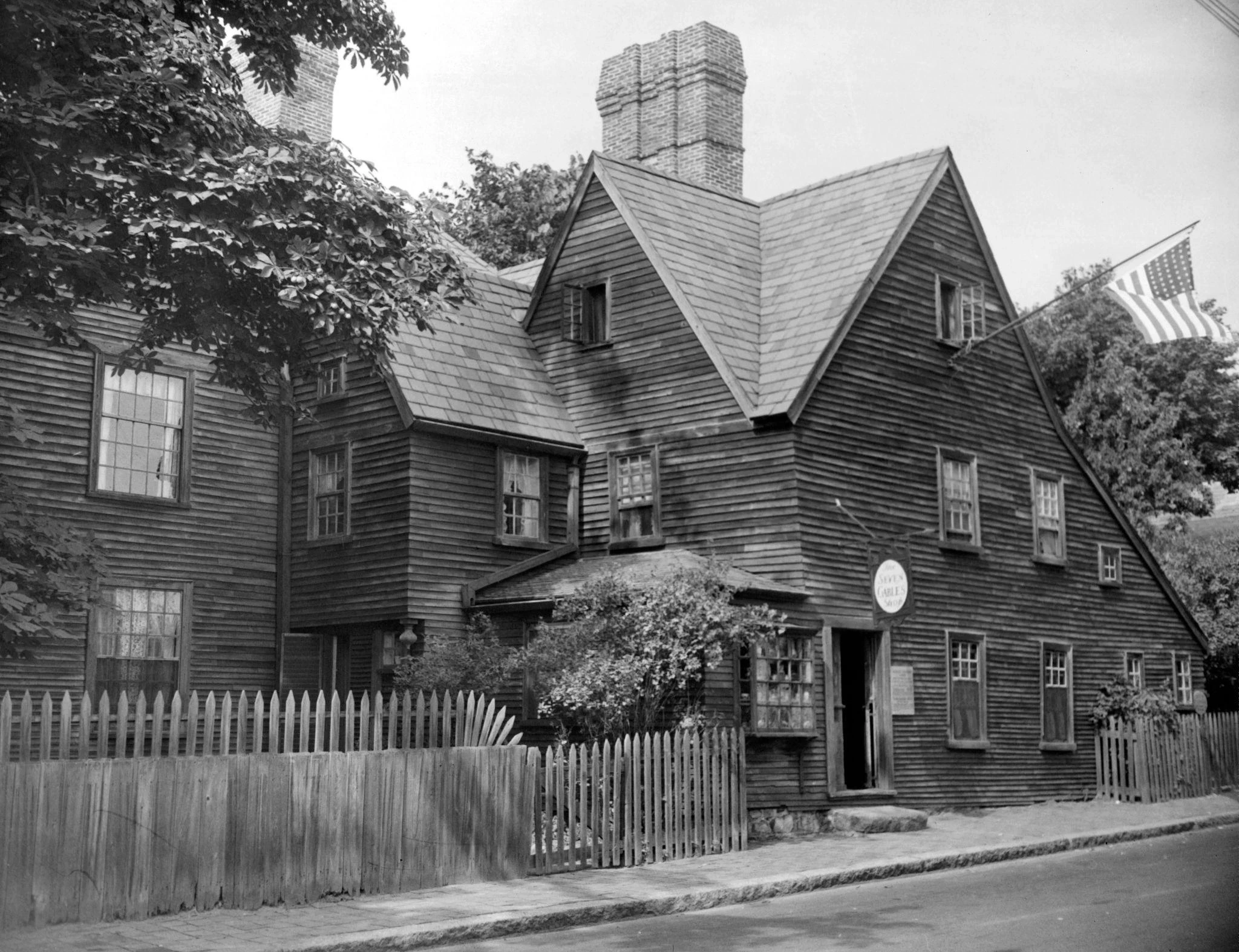 Small architectural details often carry the longest memory.
🕰️ Why These Stories Matter Now
Preservation is not only about saving buildings — it is about choosing which stories to carry forward.
By acknowledging overlooked lives, forgotten years, and functional spaces, we widen the historical lens. We move away from a single narrative and toward a fuller understanding of how places survive — and why they matter.
In doing so, the House of the Seven Gables becomes more than an icon. It becomes a lived space, shaped by people whose impact was real, even if their names were not preserved.
🧭 Looking Back (and Listening Closely)
When we slow down enough to listen, historic places begin to speak differently — not louder, but more honestly.
The House of the Seven Gables does not reveal its deepest stories all at once. They emerge in fragments: a narrow stair, a repurposed room, a stretch of time with no plaque attached.
And sometimes, those quieter moments tell us more than the famous ones ever could.
🔗 Explore the Full Story
➜ Main Article: House of the Seven Gables
➜ Things to Do Nearby: Salem Historic Sites & Seafaring Landmarks