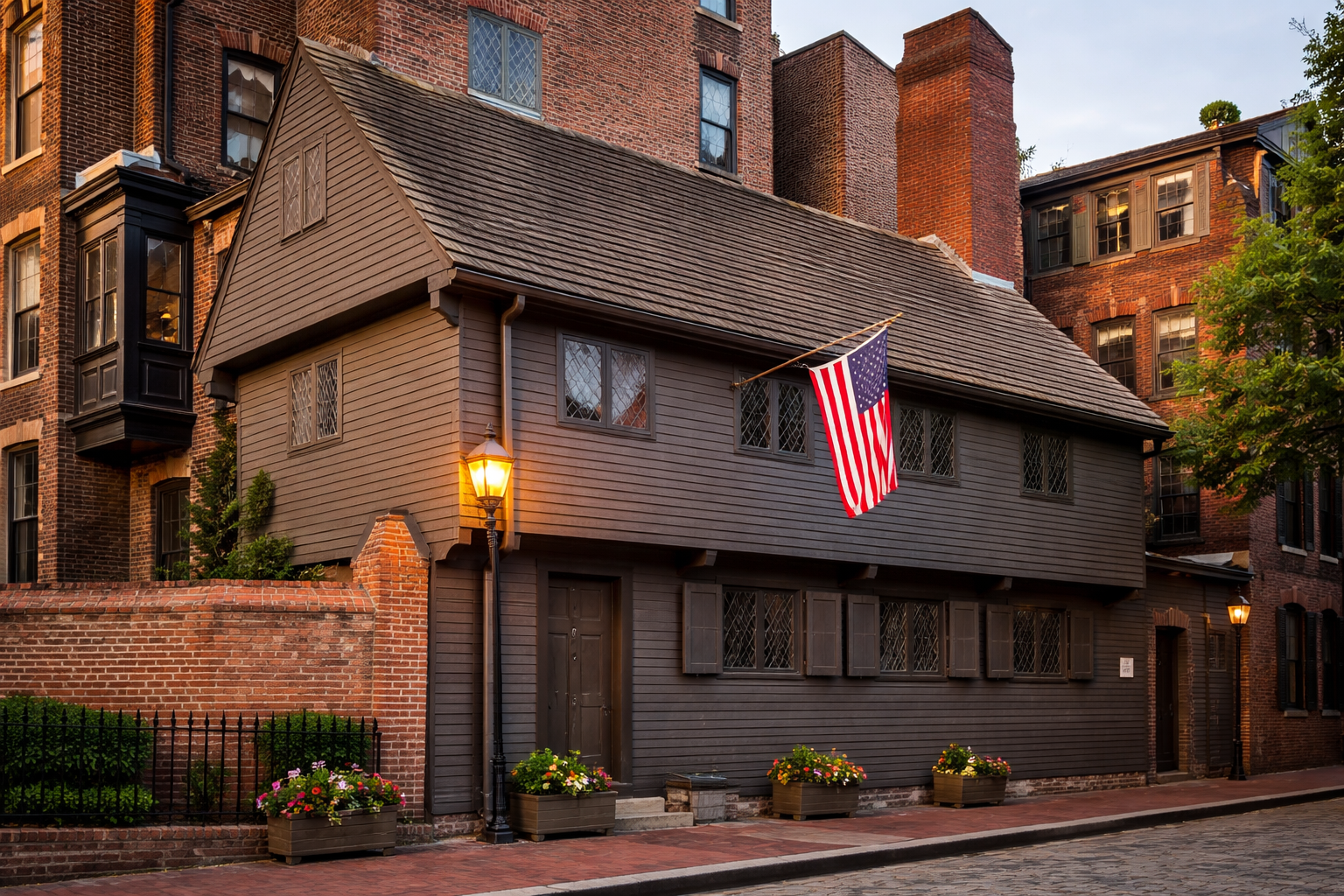
Secrets & Stories From The Paul Revere House
Hidden details, forgotten figures, and the quieter moments history left behind
Behind the Public Story
Every visitor arrives at the Paul Revere House already knowing the story—the midnight ride, the warning bells, the famous name woven into the fabric of American memory. That public history is important, and it deserves its place.
But this small, weathered house has lived far more life than a single heroic moment. It sheltered families, absorbed centuries of change, and endured long stretches when no one thought of it as historic at all. Its walls remember ordinary days as vividly as extraordinary ones.
Step just slightly beyond the familiar narrative, and the house begins to tell a quieter story—one shaped by domestic routines, overlooked people, and the slow persistence of place.
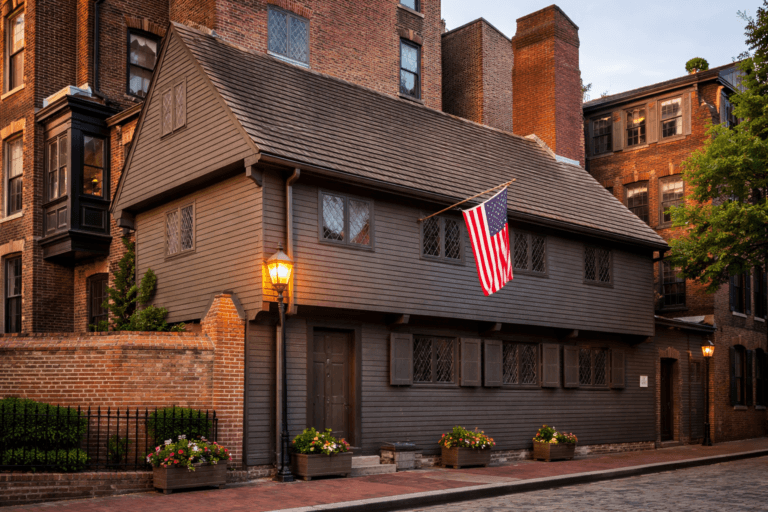
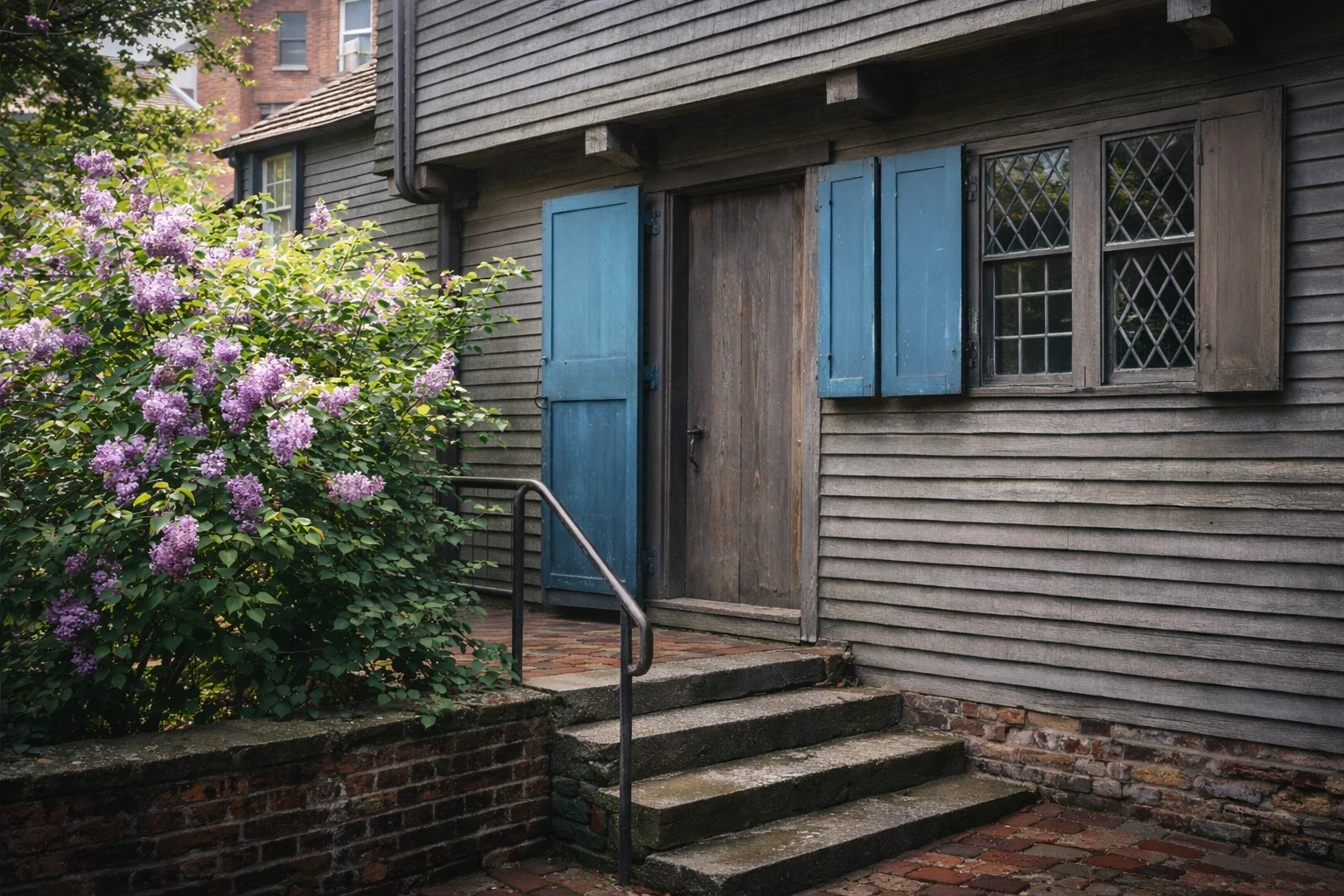 Soft light and subtle color reveal a gentler side of the Paul Revere House, where everyday life once unfolded beyond the moments history chose to remember.
🗝️ The Stories That Rarely Get Told
The most revealing stories here aren’t about midnight rides or famous speeches. They’re about what it meant to live in this house—day after day, year after year—long before and long after it became a landmark.
These are stories of:
- People whose names rarely appear on plaques
- Spaces designed for work, not display
- Years when history moved on and the house was left behind
- Small, practical details that reveal how life actually functioned
Together, they complicate the familiar story in the best possible way.
👤 Forgotten or Overlooked Figures
Paul Revere did not live alone, nor did his life unfold in isolation. The house was shaped as much by family members as by the man whose name it now bears.
Women in the household—wives, daughters, relatives—managed domestic life in tight quarters, balancing children, food preparation, and household order in a building never designed for comfort. Their labor left no monuments, yet without it, the household could not function.
There were also tradespeople, tenants, and neighbors whose lives intersected briefly with this address. The house passed through many hands over the centuries, serving people whose names history did not preserve but whose presence kept the structure alive.
Their stories matter because they remind us that history is sustained not only by heroes, but by continuity.
🏠 Rooms, Spaces, and Their Untold Roles
The Paul Revere House feels modest today, but its layout tells a story of adaptation rather than intention. Rooms shifted purpose over time. Workspaces doubled as living spaces. Storage and sleeping areas blurred together.
What’s striking is not what the house includes—but what it lacks. There are no grand halls, no formal separations between public and private life. This was a home shaped by necessity, where efficiency mattered more than elegance.
These spaces reveal a household that functioned through improvisation—an insight far more revealing than any decorative detail.
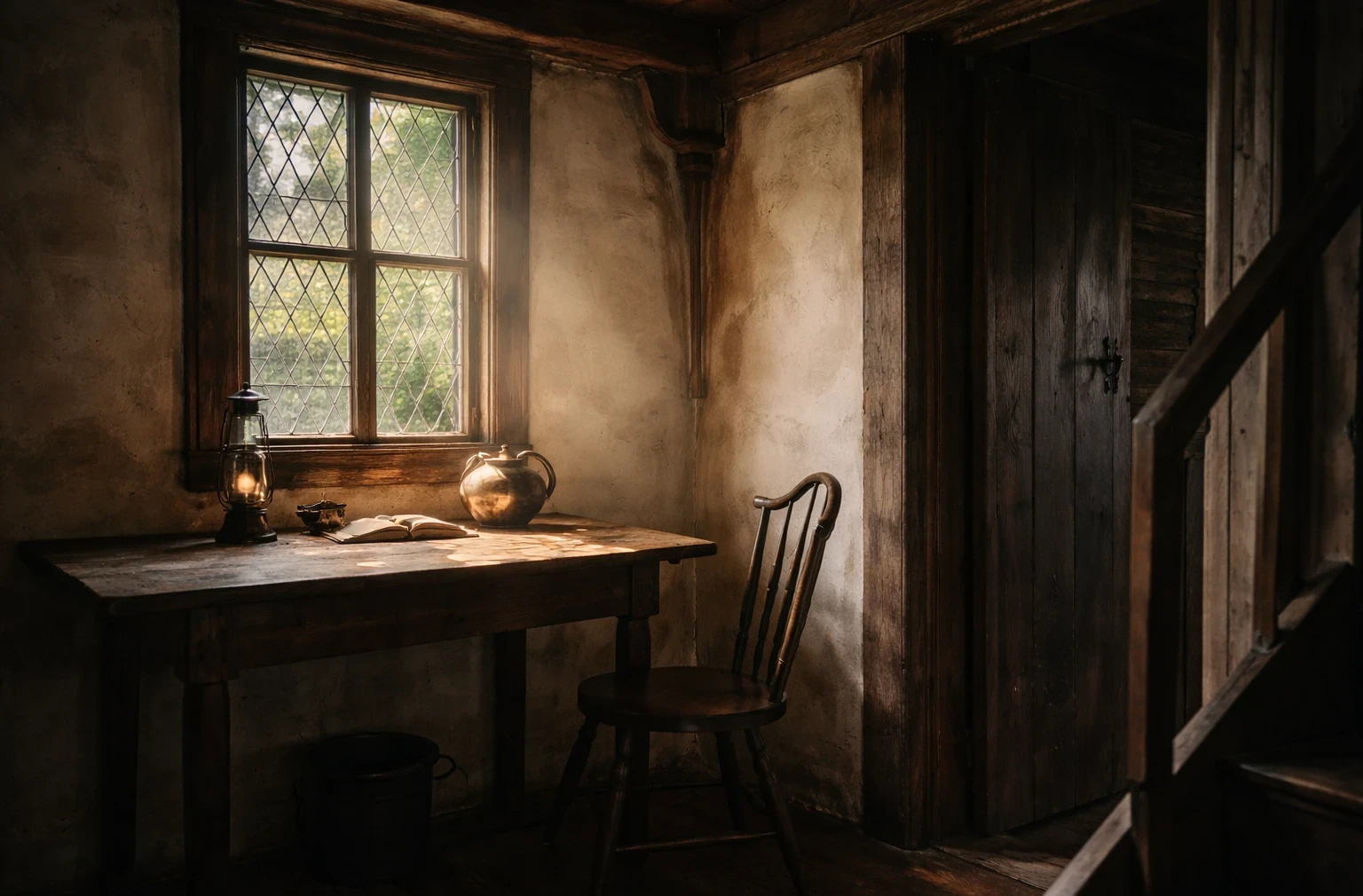
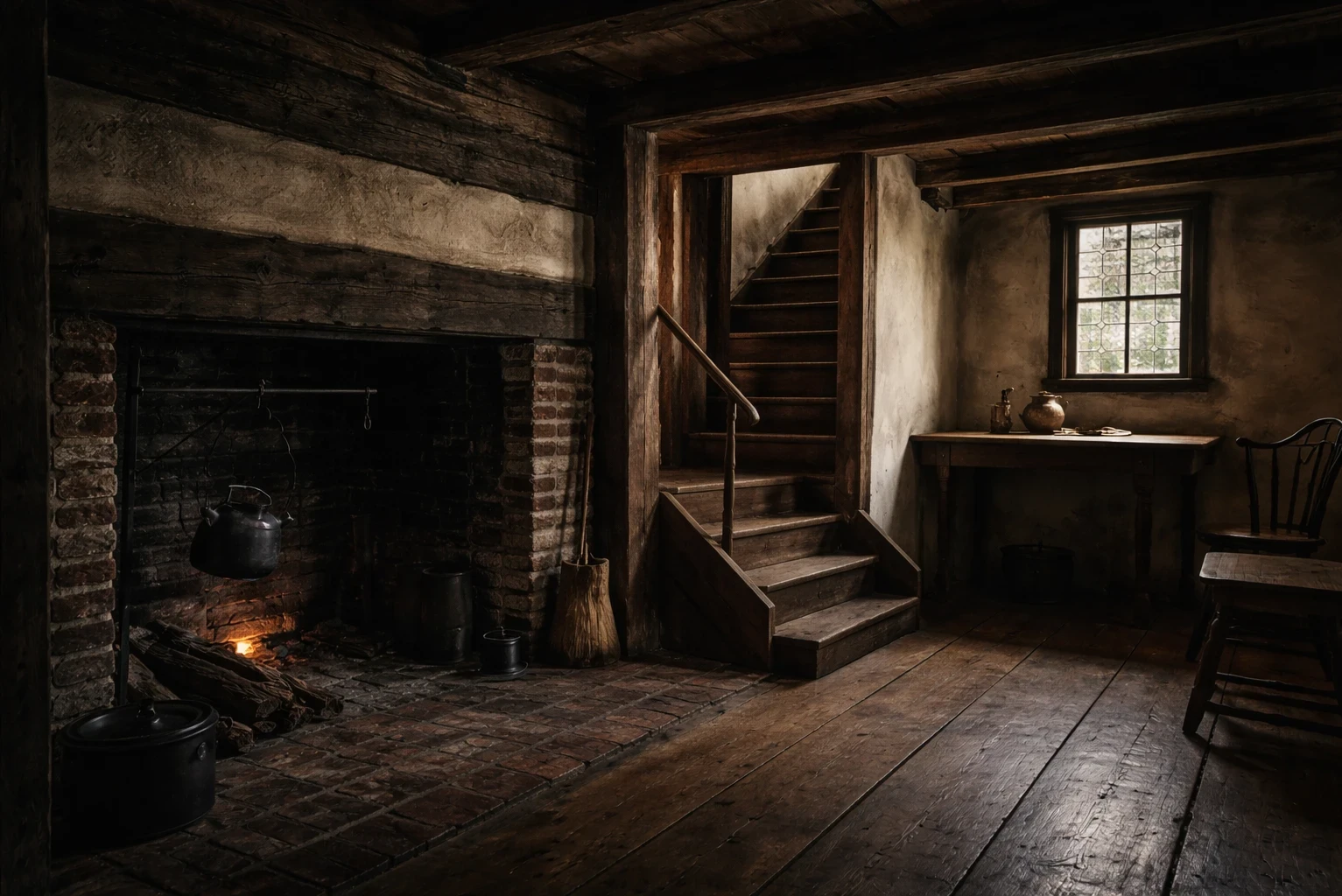 Inside the house, modest spaces reflect the daily labor and quiet routines of those whose lives rarely appear in the historical spotlight.
📜 Moments Lost Between the Dates
Much of the house’s life unfolded during periods history rarely pauses to examine. After Paul Revere moved on, the building entered a long, quiet existence as just another aging structure in a changing city.
It became:
- A multi-family residence
- A commercial space
- A property altered to meet practical needs
During these years, no one preserved it for posterity. It survived because it was useful. That survival—unplanned and imperfect—is part of its story.
When preservation finally arrived, it did not restore a frozen moment in time. It made choices about which past to honor, and which to quietly let go.
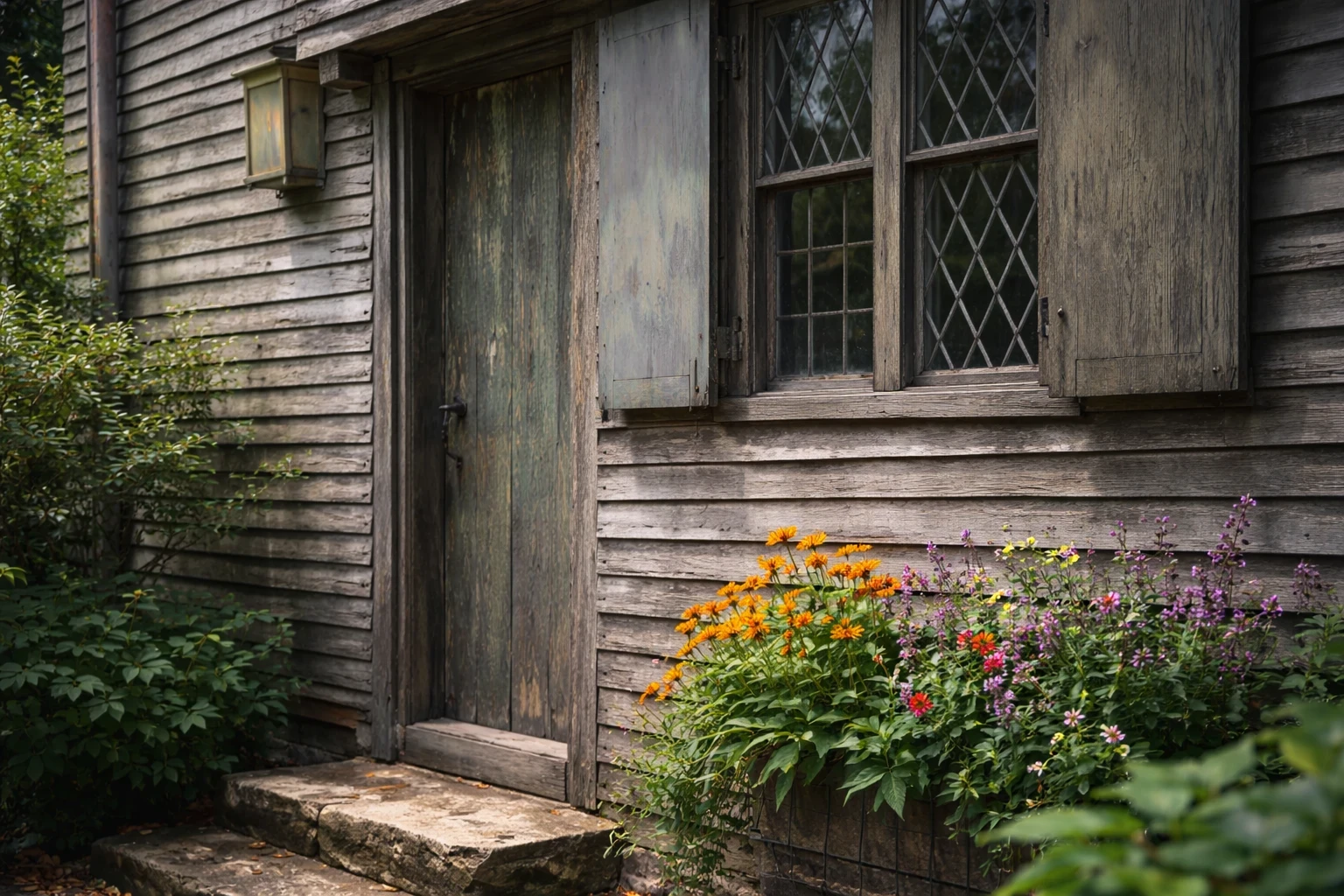 A close-up exterior view of the Paul Revere House showing weathered wooden siding, a window with muted trim, and flowering plants adding soft color near the foundation.
🌒 Myths, Misconceptions, and Half-Truths
It’s easy to imagine the Paul Revere House as a static backdrop to a single dramatic event. In reality, Paul Revere lived here for only a portion of his long, industrious life.
The midnight ride was not the defining moment of the house—it was simply the moment history chose to remember. The truth, less cinematic but more compelling, is that this was a working household tied to everyday survival, not legend-making.
Understanding that doesn’t diminish the story. It deepens it.
🧩 Small Details That Change How You See the Whole
One of the most telling details is the house’s age itself. Built decades before Paul Revere ever crossed its threshold, the structure reminds us that history is layered, not linear.
Each generation left marks—some preserved, some erased. What remains is not a perfect recreation, but a conversation between past and present. The house we see today is as much about memory as it is about architecture.
That realization changes the experience from observation to reflection.
 Even small touches of color—flowers, light, and seasonal change—soften the Paul Revere House and remind us that it has always existed within a living, evolving city.
🕰️ Why These Stories Matter Now
Preservation isn’t just about saving buildings—it’s about deciding which stories are worth holding onto. The Paul Revere House challenges us to look beyond heroic narratives and consider the quieter labor that sustains history.
By paying attention to overlooked lives and everyday spaces, we begin to see history as lived experience rather than distant legend. That shift matters, especially now, as we rethink whose voices deserve to be remembered.
🧭 Looking Back (and Listening Closely)
The Paul Revere House doesn’t demand attention. It waits for it.
When we slow down enough to listen, historic places begin to speak differently—not louder, but more honestly. And in that honesty, we find a deeper connection to the past than any legend alone could offer.
🔗 Explore the Full Story
- ➜ Main Article: Paul Revere House
- ➜ Things to Do Nearby: Historic Sites to Visit in Boston